If you want a Central Austin neighborhood that feels lived-in rather than overbuilt, Clarksville stands out quickly. You get historic character, a walkable daily routine, and close access to downtown, but you also need to be comfortable with older homes, tighter parking, and a busier in-town rhythm. If you are weighing whether Clarksville fits your lifestyle, this guide will help you understand how the neighborhood works day to day. Let’s dive in.
Where Clarksville Sits in Austin
Clarksville is the historic core of Old West Austin. According to the City of Austin’s neighborhood plan, Old West Austin sits west of Lamar, east of MoPac, north of Town Lake, and south of Enfield.
Within that broader area, the Clarksville National Register district is generally bounded by West Lynn, Waterston, West 10th, and MoPac. That smaller historic footprint helps explain why the neighborhood feels distinct, with a defined residential core and a few nearby commercial pockets rather than one large retail strip.
Clarksville also carries important historical significance in Austin. The City of Austin describes it as one of the first freedom colonies established west of the Mississippi in Texas, and the neighborhood plan identifies it as the original Black settlement in the area, later joined by Anglo and Hispanic residents.
Clarksville’s Everyday Feel
Clarksville tends to feel neighborhood-scaled, central, and active without reading like a dense urban district. The Old West Austin plan notes that commercial and office uses are concentrated on Lamar, 5th Street, 6th Street, and West Lynn, which helps keep much of the residential interior quieter in character.
That layout matters in everyday life. Instead of relying on a major shopping corridor inside the neighborhood, you are more likely to use a small cluster of nearby spots for coffee, meals, and quick errands while still enjoying mostly residential streets around them.
Residents have also long valued neighborhood-oriented shops, parks, and pedestrian traffic. At the same time, the neighborhood plan reflects an ongoing priority to limit commercial intrusion into the residential core, which helps preserve Clarksville’s street-level identity.
Homes and Streetscape
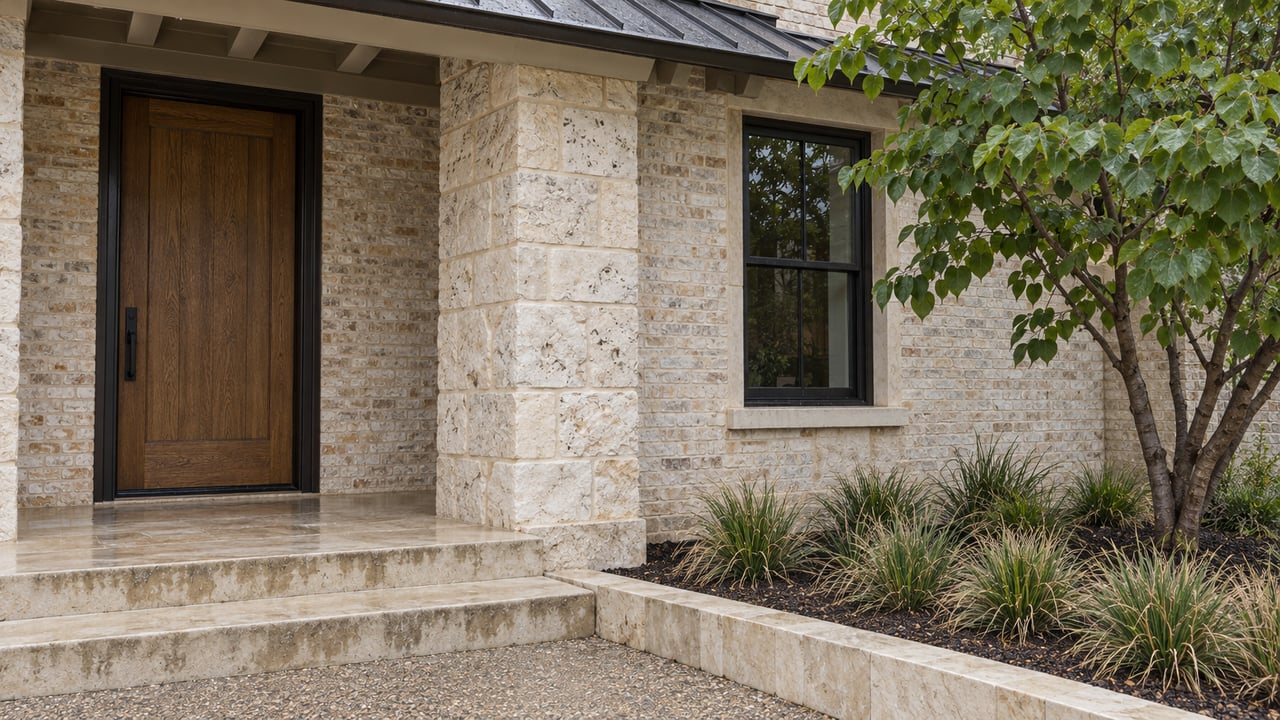
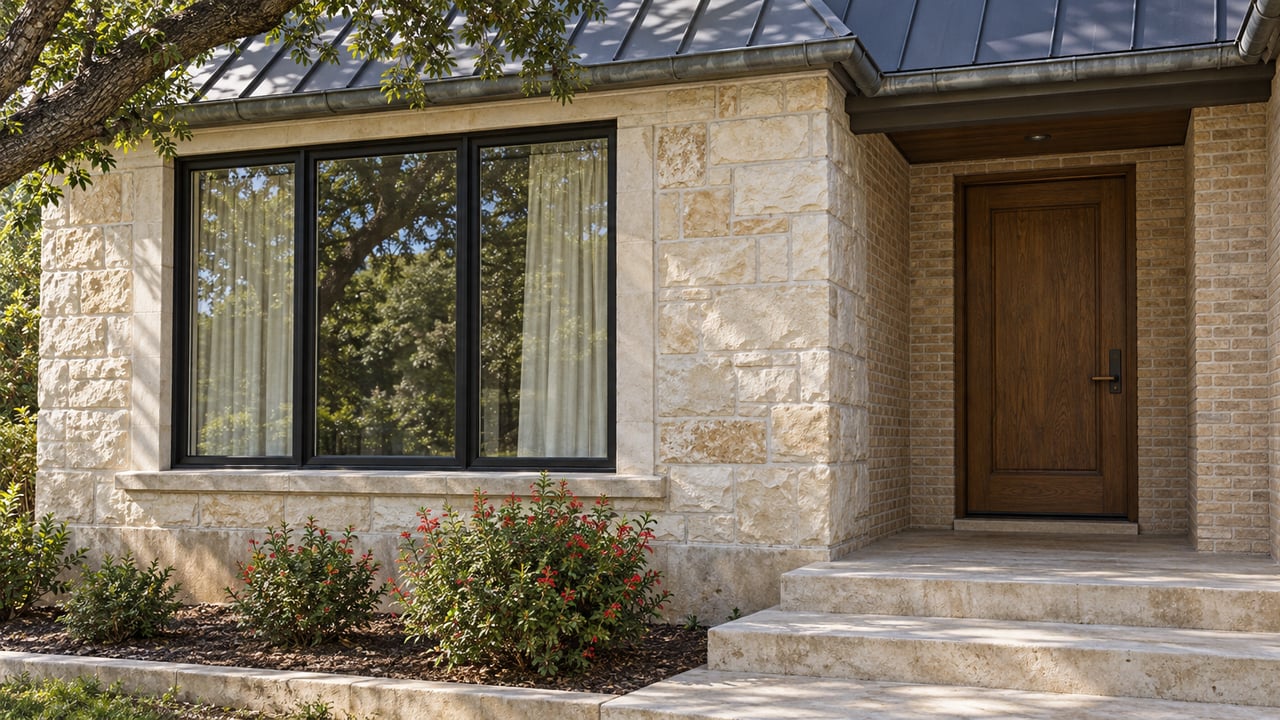
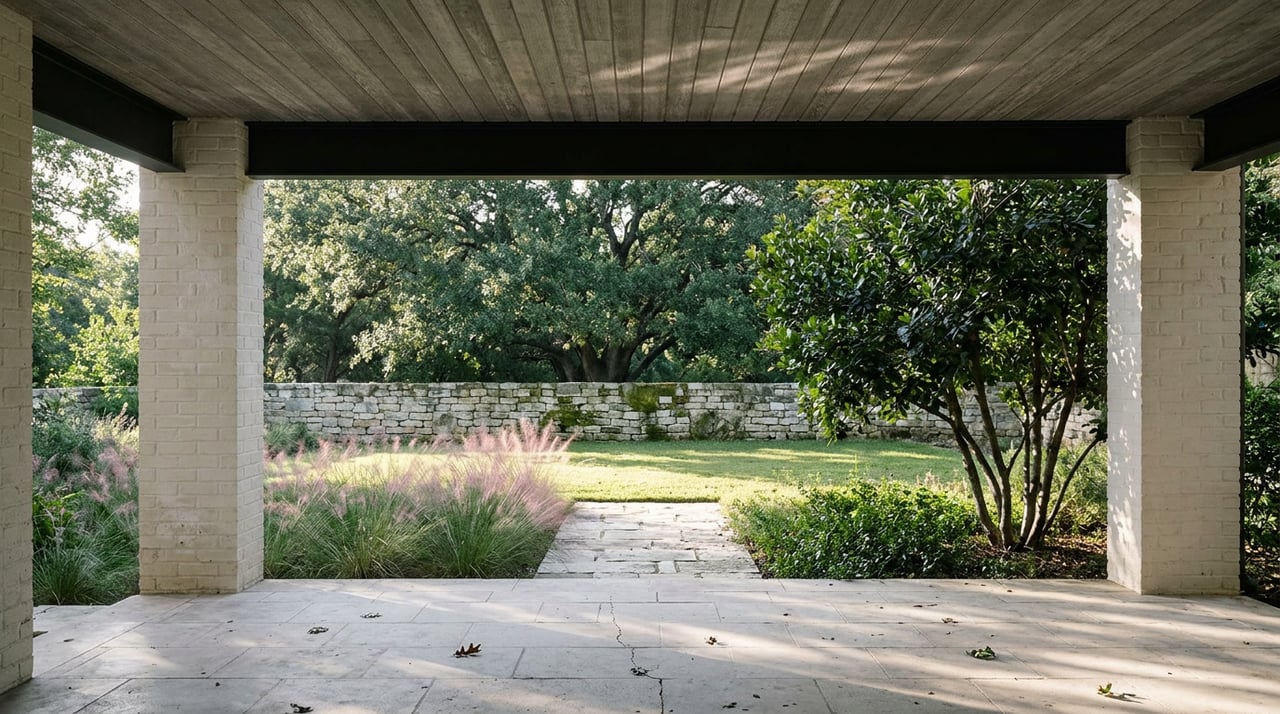
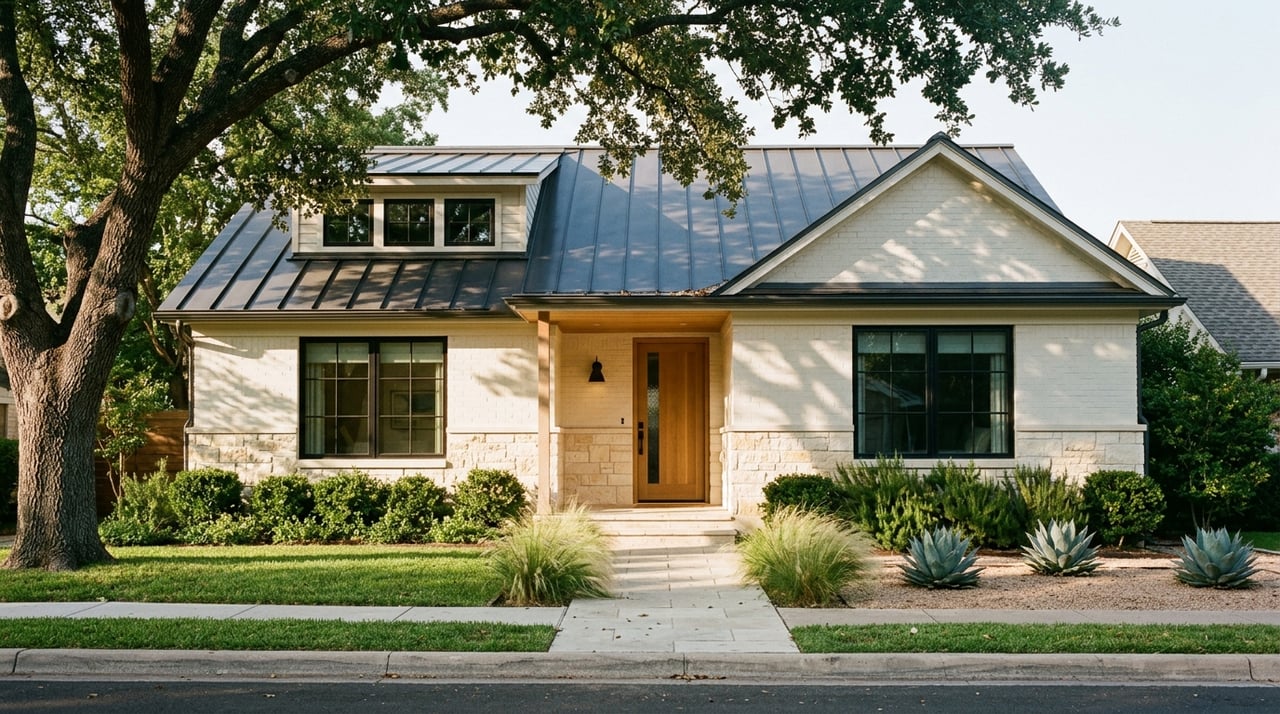
Clarksville’s housing character is closely tied to its historic roots. The Texas Historical Commission lists the district’s architectural styles as Bungalow/Craftsman and Late Victorian, with historic resources dating from the mid-1800s through the early 1900s.
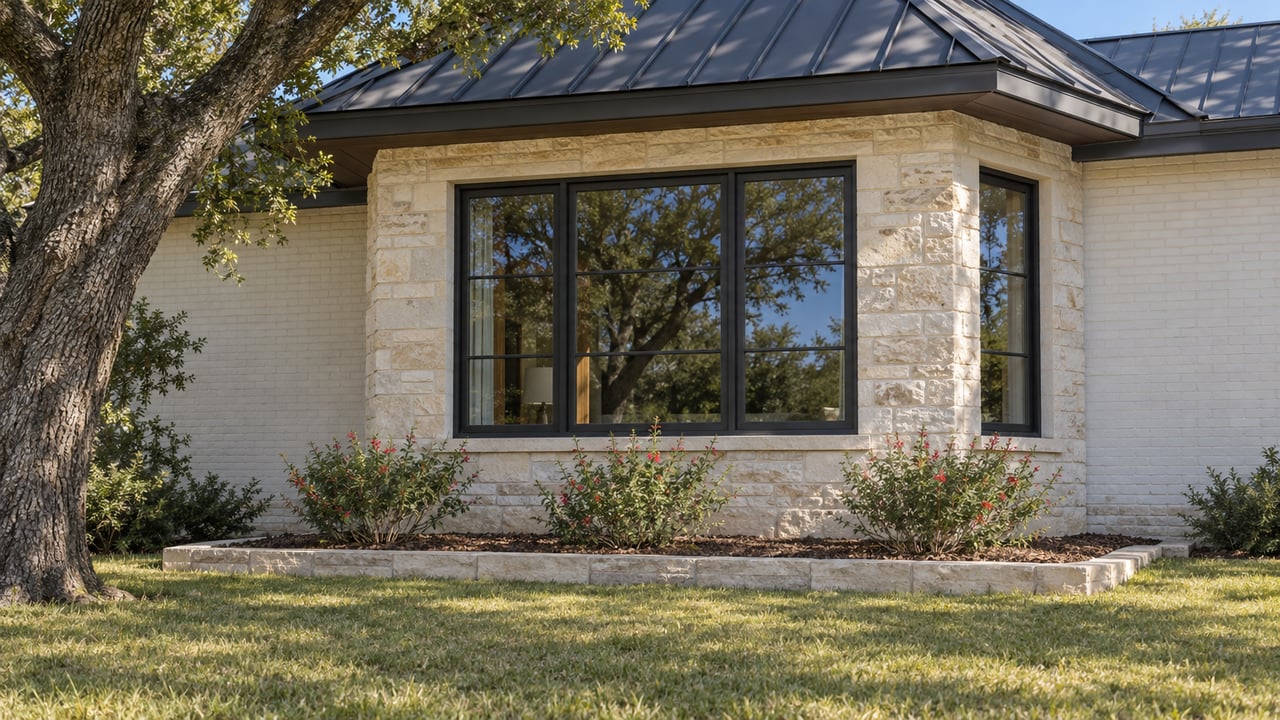
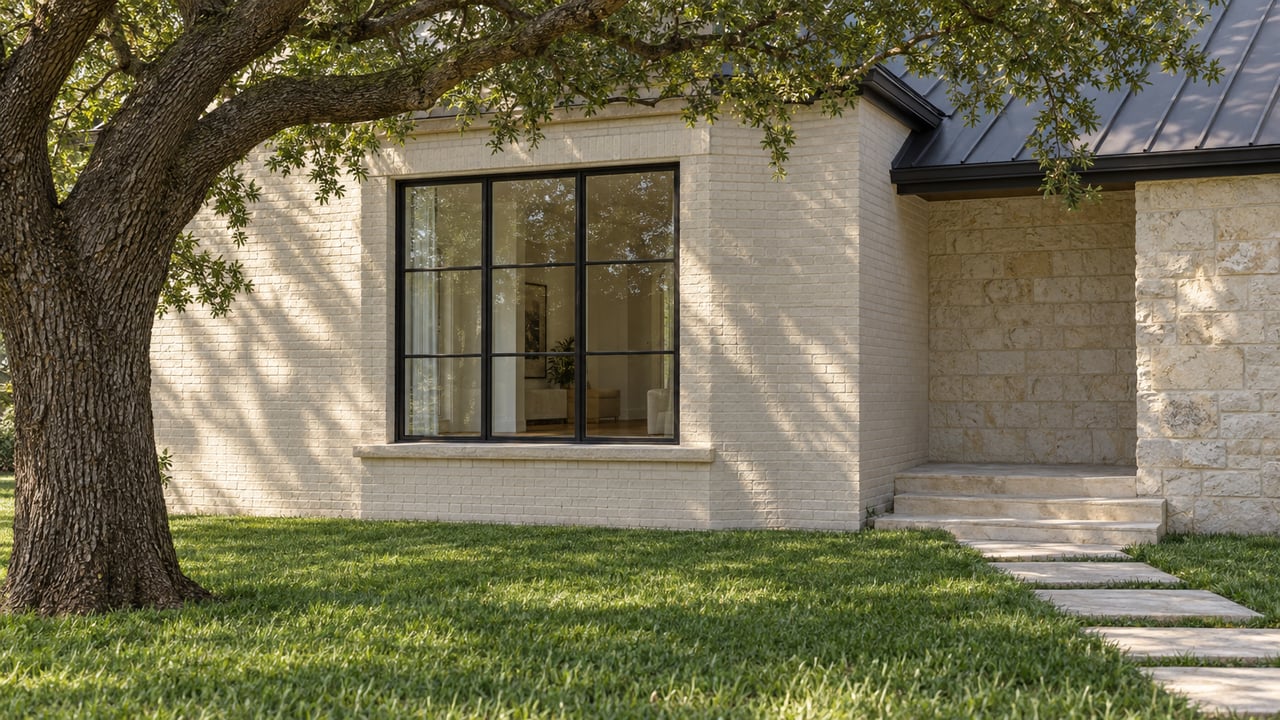
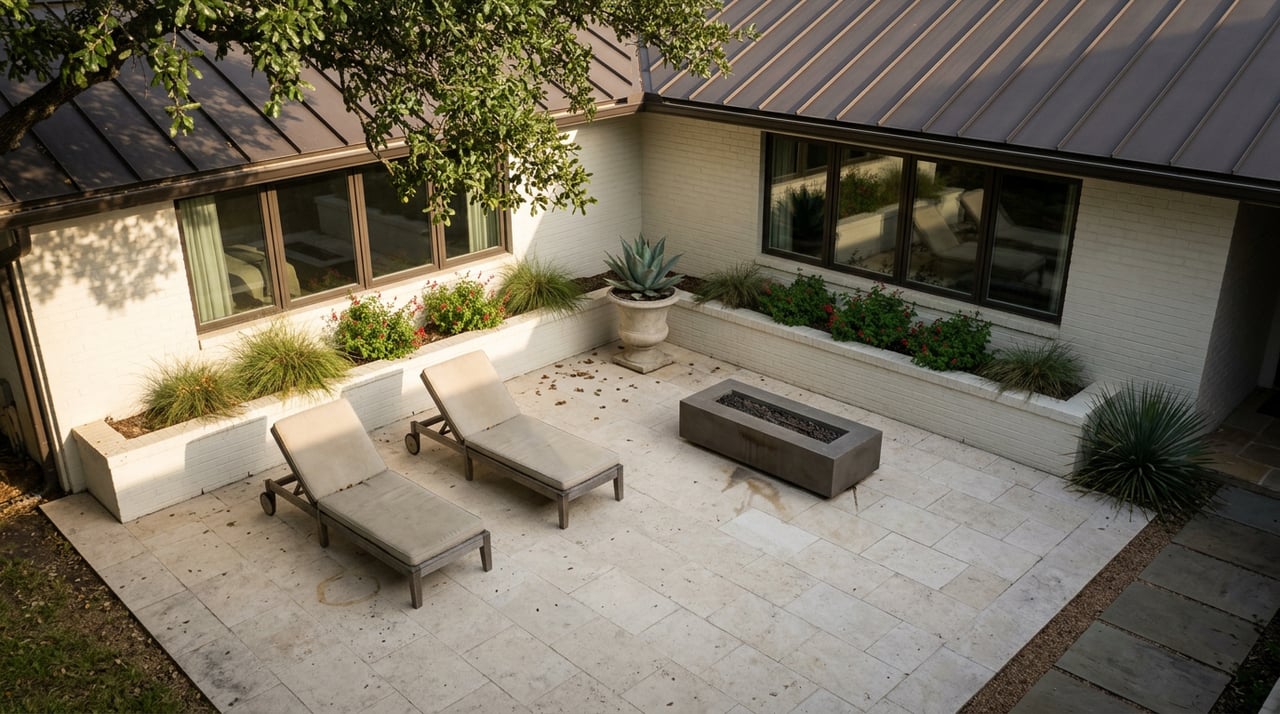
In practical terms, that often means older cottages, bungalows, and historic houses shape the streetscape. You may also see additions and infill, but the neighborhood is not defined by uniform newer construction.
For buyers, this usually means charm comes with tradeoffs. Older homes can offer unique details and a stronger sense of place, but they may also require a different mindset than a newer build, especially in a preservation-sensitive area.
It is also worth noting that Clarksville is not just one housing type or one resident profile. The Clarksville Community Development Corporation reports that its affordable housing program includes 11 properties made up of single-family homes, duplexes, and an accessory dwelling unit, serving 17 low-income households throughout the neighborhood.
Walkability and Local Amenities
One of Clarksville’s biggest strengths is how easy it is to build a daily routine around nearby places. The neighborhood plan identifies West Lynn between 10th and 13th streets as a business node that many residents walk to.
That compact cluster supports everyday convenience without creating a heavy commercial feel. Current examples in and around the area include Medici Roasting, Josephine House, Jeffrey’s, Cipollina, Howler Brothers Hacienda, and Wiggy’s.
The practical takeaway is simple: Clarksville offers coffee, casual dining, destination dining, and small retail in a format that feels local and usable. For many buyers, that is a major part of the appeal.
Parks and Outdoor Access
Clarksville is especially strong if you want parks close to home. The Clarksville Community Development Corporation says the neighborhood is within walking distance of four city parks, along with two splash pads, three pools, several playscapes, pickleball and basketball courts, and picnic tables.
City resources place Clarksville Splash Pad at 1811 W. 11th Street. West Austin Neighborhood Park and West Austin Pool are both located at 1317 W. 10th Street.
Nearby Pease District Park and Kingsbury Commons add even more outdoor access. That said, the city notes that parking there is extremely limited and encourages visitors to arrive on foot, by bike, or by public transportation.
Clarksville also includes the Haskell House, which functions as a museum and community space under Clarksville Community Development Corporation management. For residents who value a neighborhood with visible history and community anchors, that adds another layer to daily life here.
Getting Around From Clarksville
Clarksville’s central location is one of its most practical advantages. If you work downtown or spend a lot of time in Central Austin, the neighborhood can make daily travel feel more manageable than many farther-out options.
The Shoal Creek Trail system is a major part of that. The City of Austin says the existing trail runs from Lady Bird Lake to 38th Street, with the West Avenue to Fifth Street gap project completed in 2018.
For people on the eastern side of the neighborhood, that helps make bike and walk access toward downtown more realistic. It is one of the reasons Clarksville appeals to buyers who want alternatives to driving for at least some trips.
Transit is available nearby as well, though it is stronger on surrounding corridors than deep inside the residential core. CapMetro route information shows Route 3 serving downtown streets including Cesar Chavez, Lavaca, Guadalupe, and 38th, while the 803 rapid route runs along Burnet Road and South Lamar.
Parking and Traffic Tradeoffs
Clarksville’s convenience comes with real tradeoffs, and parking is high on that list. The Old West Austin neighborhood plan calls out adequate parking, traffic calming, and pedestrian safety as ongoing concerns, while also identifying cut-through traffic, speeding, and congestion as longstanding issues.
This is not the kind of neighborhood where you should assume abundant off-street parking and wide-open streets. In fact, the neighborhood plan even discusses one-side-of-street parking as an option on some streets.
That same pattern shows up at nearby destinations. An Austin ISD assessment notes that Mathews Elementary has no on-site parking and relies on street parking, while Pease District Park reports extremely limited parking.
In everyday life, this means Clarksville often works best if you are comfortable with in-town tradeoffs. The upside is central access and neighborhood character. The tradeoff is that driving and parking can take a bit more patience.
Who Clarksville Tends to Fit Best
Clarksville is often a strong fit if you want a central location, historic character, nearby dining, and easy access to parks and trails. It can be especially appealing if your ideal neighborhood feels established and walkable rather than master-planned.
It may also work well for buyers who appreciate homes with personality and are open to the realities of older housing stock. If you love the idea of a polished new subdivision with big lots, broad streets, and lots of separation from activity, Clarksville may feel less aligned.
This neighborhood can also make sense for relocating buyers who want to be close to downtown and experience a more historic side of Austin. The key is to balance the lifestyle upside with the practical realities of preservation-minded housing and tighter parking conditions.
Why Clarksville Draws Long-Term Interest
Clarksville tends to hold attention because it offers something hard to replicate in Austin. You get deep local history, a recognizable architectural identity, useful neighborhood-scale amenities, and strong proximity to the city core.
Just as importantly, the neighborhood plan emphasizes preserving diversity of residents, incomes, and housing types. That makes Clarksville more accurate to describe as a diverse historic neighborhood than as a one-note luxury enclave.
For buyers and sellers alike, that mix is part of what gives Clarksville staying power. It is not only about location. It is also about a daily experience that feels distinct within Central Austin.
If you are considering a move in or around Clarksville, having clear expectations matters. A thoughtful neighborhood match can make the entire buying or selling process feel more confident, strategic, and less stressful. When you are ready to talk through your options in Central Austin, Matt Richard can help you navigate the details with a calm, informed approach.
FAQs
What is Clarksville in Austin known for?
- Clarksville is known for its historic significance, older homes, walkable West Lynn business cluster, and close access to parks, trails, and downtown Austin.
What types of homes are common in Clarksville Austin?
- Clarksville commonly features older cottages, bungalows, and historic houses, with some additions and infill mixed into the neighborhood.
Is Clarksville Austin walkable for daily errands?
- Clarksville can be walkable for daily routines, especially near West Lynn, where many residents can access coffee shops, restaurants, and small retail on foot.
What are the parking conditions in Clarksville Austin?
- Parking can be limited in Clarksville, and the area has longstanding concerns related to congestion, cut-through traffic, and constrained street parking.
Who is Clarksville Austin a good fit for?
- Clarksville is often a good fit for buyers who want Central Austin access, historic character, nearby parks and dining, and who are comfortable with older homes and some parking tradeoffs.