If you want an Austin neighborhood that puts you close to downtown without feeling cut off from parks and green space, Travis Heights is worth a serious look. For many buyers, especially if you are relocating, the challenge is figuring out whether the neighborhood’s character matches your day-to-day life, not just its reputation. This guide will help you understand what Travis Heights offers, where the tradeoffs show up, and how to tell if it could be the right landing spot for you. Let’s dive in.
Where Travis Heights Sits in Austin
Travis Heights is just south of Lady Bird Lake in Central Austin, within City Council District 9. In the broader Greater South River City planning area, the area is framed by Lady Bird Lake to the north, Ben White Boulevard to the south, South Congress Avenue to the west, and I-35 to the east.
That location is a big part of the appeal. You are not looking at a far-out suburban setting here. Travis Heights sits in Austin’s south-of-downtown core, which means it connects naturally to downtown, South Congress, and some of the city’s most recognized outdoor spaces.
Why Buyers Notice Travis Heights
For many buyers, Travis Heights stands out because it compresses several classic Austin priorities into one place. You get central-city access, a mix of housing styles, established green space, and close ties to both South Congress and Lady Bird Lake.
That combination can make it a strong first neighborhood to study if you are moving to Austin from somewhere else. Instead of choosing between urban access and outdoor lifestyle, you are looking at a place where those two ideas overlap.
Housing in Travis Heights
A neighborhood with real variety
Travis Heights was formally developed beginning in 1913. Early planning included a range of lot sizes along with both curving and grid-style streets, and the neighborhood saw a major homebuilding surge in the 1920s, with more than 160 homes built by 1928.
That early development pattern still helps explain the neighborhood today. Travis Heights does not read as one uniform housing product. Instead, you will see meaningful variation from block to block, which matters if you are trying to compare homes online before you visit in person.
Historic homes and newer infill
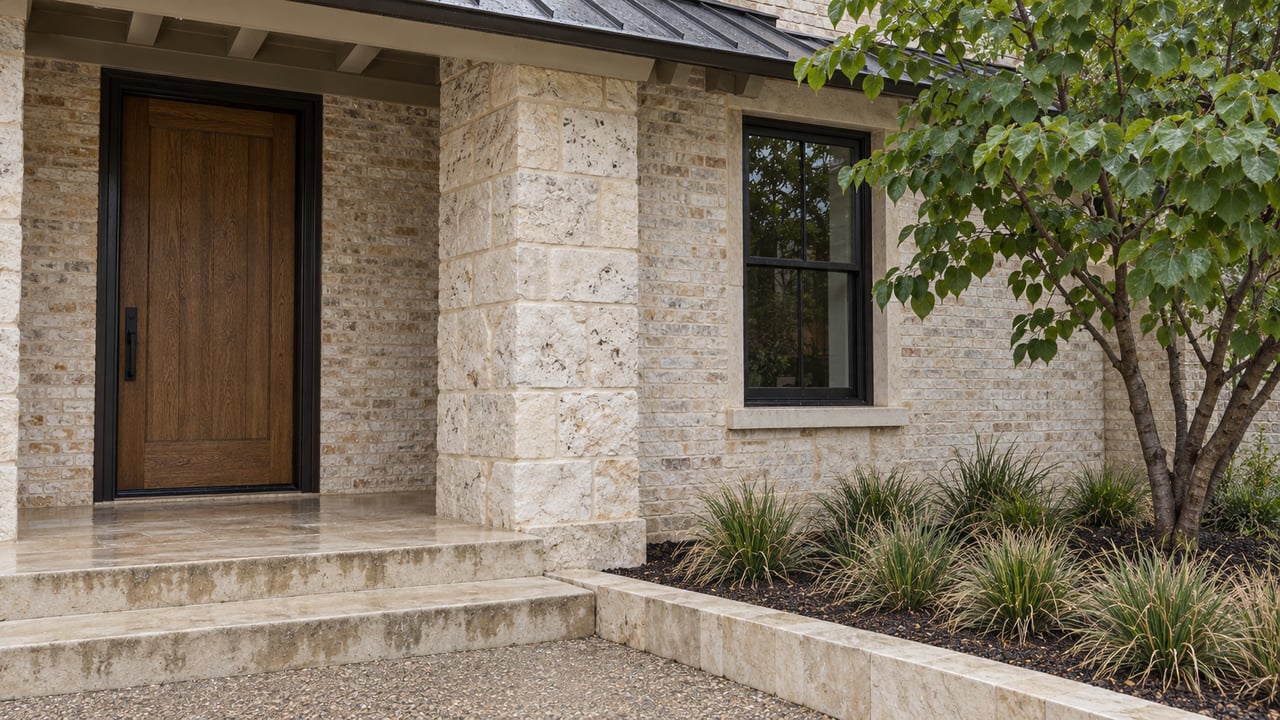
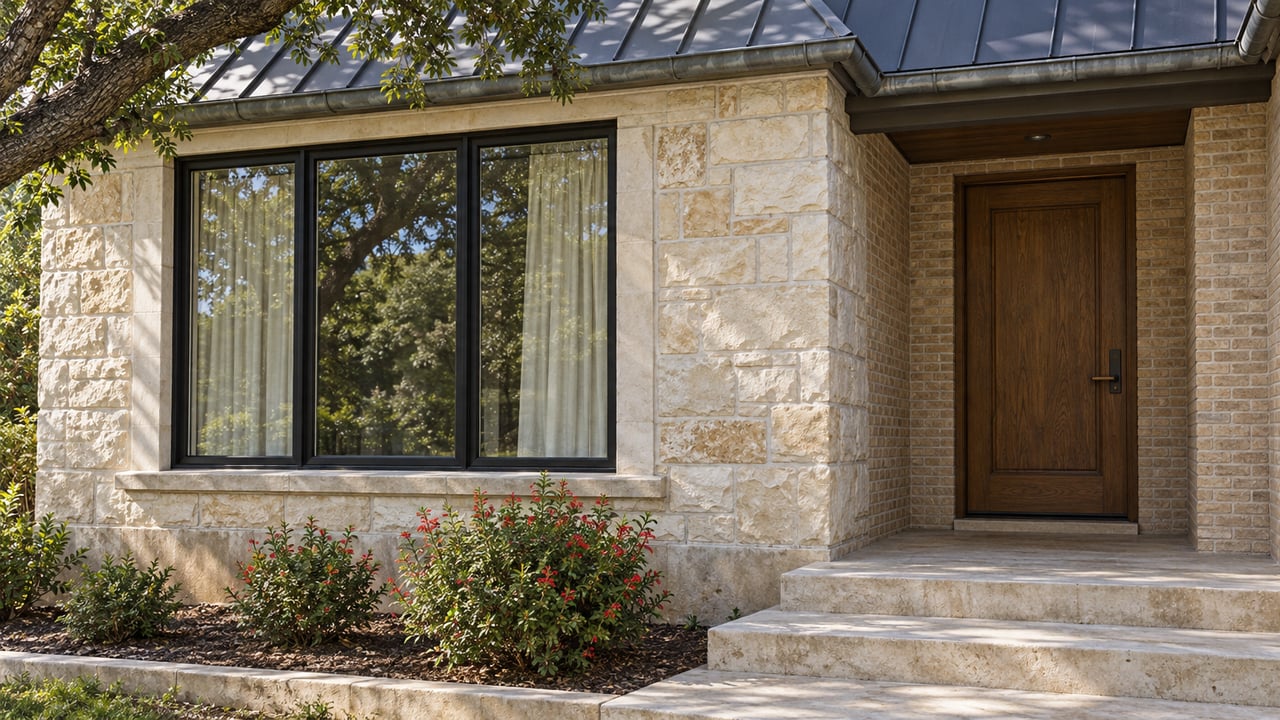
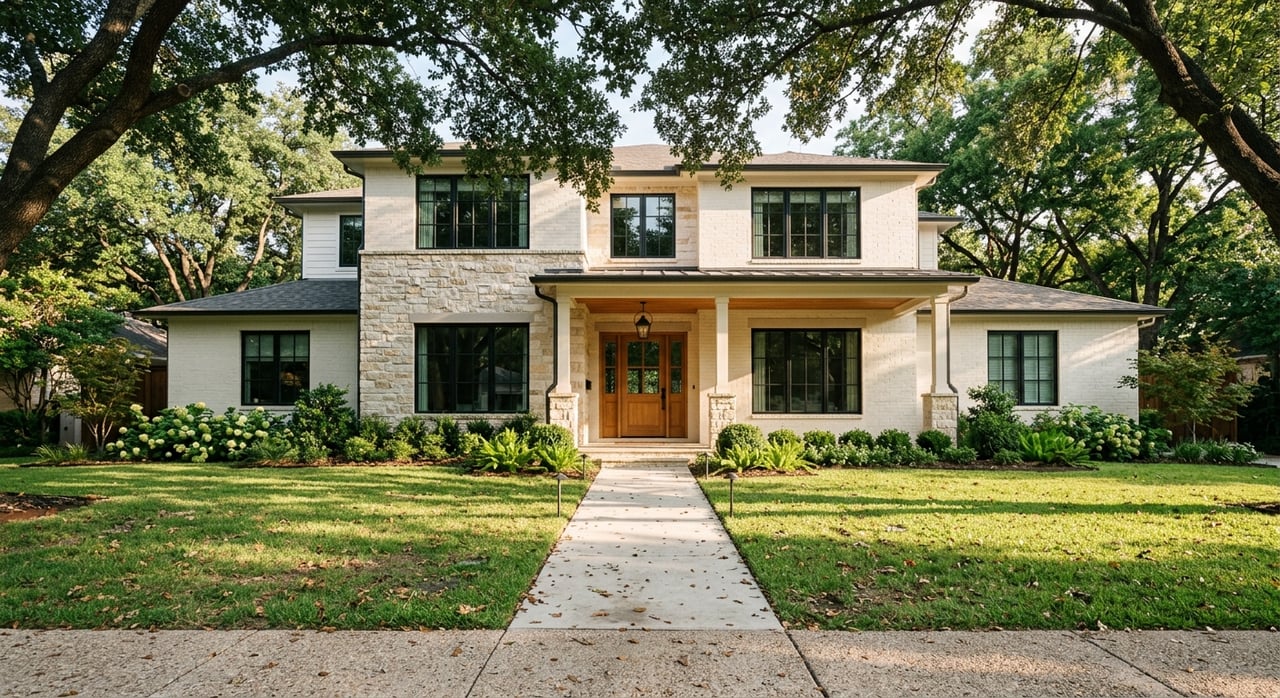
Architecturally, Travis Heights is known for its mix. Local preservation materials describe homes ranging from late-1880s Victorians to 1970s mid-century moderns, with bungalows and other historic house types in between.
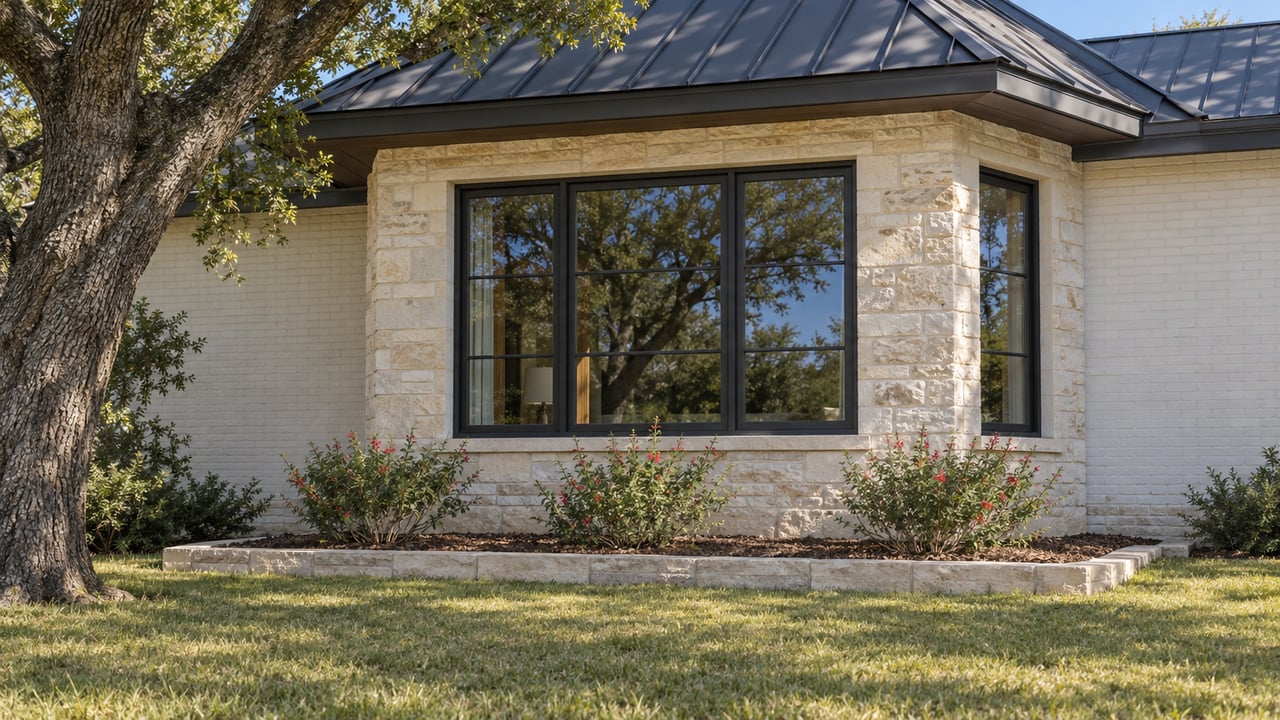
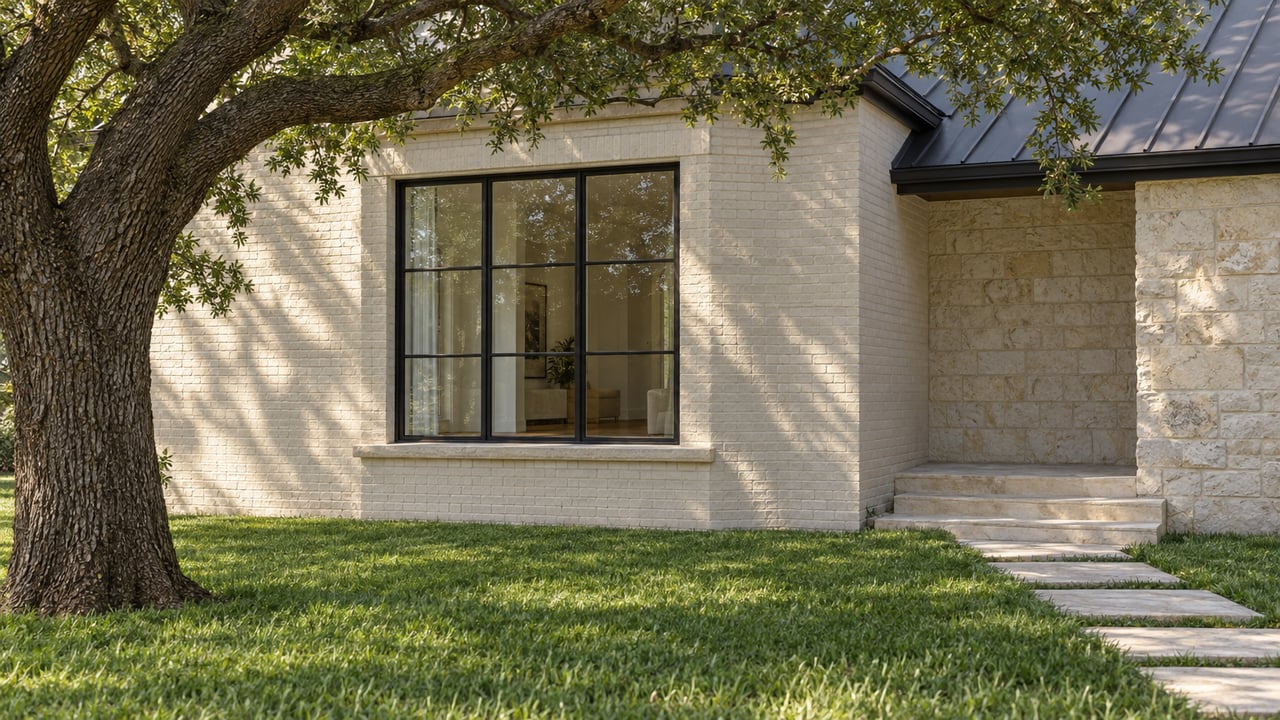
You may also see newer homes and infill mixed into older blocks. That can be a plus if you want options, but it also means the feel of one street may not perfectly match the next. If you are a buyer who values consistency, this is something to pay close attention to during a tour.
Preservation can shape what you see
Parts of the broader Travis Heights and Fairview Park area carry formal historic recognition. The district was listed on the National Register of Historic Places in 2021, and the Mary Street Local Historic District sits within the neighborhood boundaries.
In practical terms, that helps explain why conversations about exterior changes, infill, and neighborhood character come up often here. If you are considering a home in or near a historic area, it is smart to understand that preservation context early in your search.
Everyday Lifestyle in Travis Heights
Parks and green space are a major draw
One of Travis Heights’ clearest strengths is its access to parks and creek-oriented open space. Austin Parks and Recreation lists Big Stacy Neighborhood Park, Little Stacy Neighborhood Park, Blunn Creek Greenbelt, and Blunn Creek Nature Preserve in the immediate area.
That park network gives the neighborhood a more shaded, natural feel than some buyers expect this close to downtown. Historic neighborhood materials also note that Little Stacy sits at a horseshoe bend of Blunn Creek and connects to the greenbelt and Big Stacy Pool, which adds to that creekside character.
Lady Bird Lake expands your options
Living near Lady Bird Lake is not just about recreation. The city describes the Ann and Roy Butler Hike-and-Bike Trail as a 10-mile loop around the lake and notes that it also functions as an alternative transportation route through the urban core.
For you, that means trail access can support both leisure and daily movement. If being able to get outside easily matters to your routine, this is one of the neighborhood’s strongest lifestyle advantages.
South Congress adds energy nearby
South Congress is another key piece of the neighborhood equation. The city’s South Congress Combined Neighborhood Plan describes South Congress Avenue as a vibrant, accessible mixed-use corridor and a destination for nearby residents and Austin visitors.
That helps explain why Travis Heights often appeals to buyers who want nearby retail and dining activity without living directly in the middle of the busiest commercial stretch. Depending on where you are in the neighborhood, you can feel connected to that energy while still having a more residential setting.
What the Tradeoffs Look Like
No central Austin neighborhood is all upside, and Travis Heights is no exception. The same location advantages that bring access and activity can also bring traffic pressure, corridor noise on some blocks, and more variation than buyers expect from one neighborhood name.
The local neighborhood association also notes ongoing traffic issues in and around the area. If you are deciding between Travis Heights and a quieter neighborhood farther out, that is an important tradeoff to weigh honestly.
This does not make the neighborhood less desirable. It just means the right fit often comes down to the exact block, your tolerance for central-city activity, and how much you value proximity to parks, trails, and major corridors.
Who Travis Heights Often Fits Best
Travis Heights can make sense for several types of buyers, especially if you want a neighborhood with both personality and convenience. It may be a strong fit if you are looking for:
- Close access to downtown and Central Austin
- A neighborhood with historic homes, newer homes, and architectural variety
- Parks, greenbelt space, and trail access nearby
- A residential setting with easy connection to South Congress
- A place where block-by-block scouting can uncover very different home options
If your top priority is a highly uniform neighborhood with fewer traffic pressures, you may find that other areas fit better. But if you want a lived-in, layered part of Austin with strong location fundamentals, Travis Heights has a lot to offer.
How to Tour Travis Heights Smartly
If you are visiting in person, a focused scouting loop can tell you a lot quickly. This is especially helpful if you are relocating and want to compare neighborhood feel, not just home photos.
Start on South Congress
Begin on South Congress to get a sense of how much retail and visitor activity feels comfortable to you. Since the corridor is planned as a mixed-use destination area, this stop helps you gauge the neighborhood’s outer energy level.
Explore interior residential blocks
Then move a few blocks into the neighborhood. Compare the street patterns, lot sizes, mature trees, and housing mix so you can see how older homes, bungalows, eclectic historic properties, and newer infill show up in real life.
Spend time in the parks
Visit Little Stacy, Big Stacy, and the Blunn Creek green spaces. Pay attention to shade, slopes, walking paths, and how much the creek-edge setting adds to your sense of daily livability.
End near Lady Bird Lake
Wrap up near Lady Bird Lake and Congress Avenue. This gives you a practical feel for trail access, downtown connection, and how the neighborhood links into Austin’s broader urban core.
Why Travis Heights Works for Relocating Buyers
If you are moving to Austin, Travis Heights can be a helpful neighborhood to evaluate early because it highlights several of the city’s most common housing decisions. You can quickly see how central location, older housing stock, newer infill, outdoor access, and commercial corridor energy all interact in one area.
That is valuable because relocation decisions are often about tradeoffs, not perfect answers. A neighborhood like Travis Heights helps you clarify what matters most to you, whether that is architecture, access, greenery, or a little more separation from busy corridors.
A calm, detailed neighborhood tour can make a big difference here. Instead of relying only on listings, you can compare streets, park access, and nearby activity with a clearer frame of reference.
If you are weighing Travis Heights against other South or Central Austin neighborhoods, having local guidance can help you sort through the block-by-block differences and focus on the version of the neighborhood that best matches your goals. When you are ready to talk through your search, Matt Richard can help you evaluate Austin neighborhoods with clear advice and a steady approach.
FAQs
Is Travis Heights in Central Austin or South Austin?
- Travis Heights sits just south of Lady Bird Lake in Central Austin’s south-of-downtown core, within the broader Greater South River City area.
Is Travis Heights mostly historic homes or newer homes?
- Travis Heights is mixed, with older historic homes, bungalows, mid-century homes, newer homes, and infill found throughout the neighborhood.
Is Travis Heights walkable for daily errands and recreation?
- The strongest walkability is near South Congress and the Lady Bird Lake trail, where the neighborhood connects to retail, dining, and outdoor recreation.
What are the main parks near Travis Heights?
- Key nearby green spaces include Big Stacy Neighborhood Park, Little Stacy Neighborhood Park, Blunn Creek Greenbelt, and Blunn Creek Nature Preserve.
What is the biggest tradeoff of living in Travis Heights?
- The main tradeoff is that central location and strong access can come with traffic pressure, corridor activity, and noticeable block-to-block variation.
Why do relocating buyers look at Travis Heights first?
- Travis Heights gives you a useful snapshot of Austin living by combining central access, diverse housing, green space, and a lively nearby commercial corridor in one neighborhood.