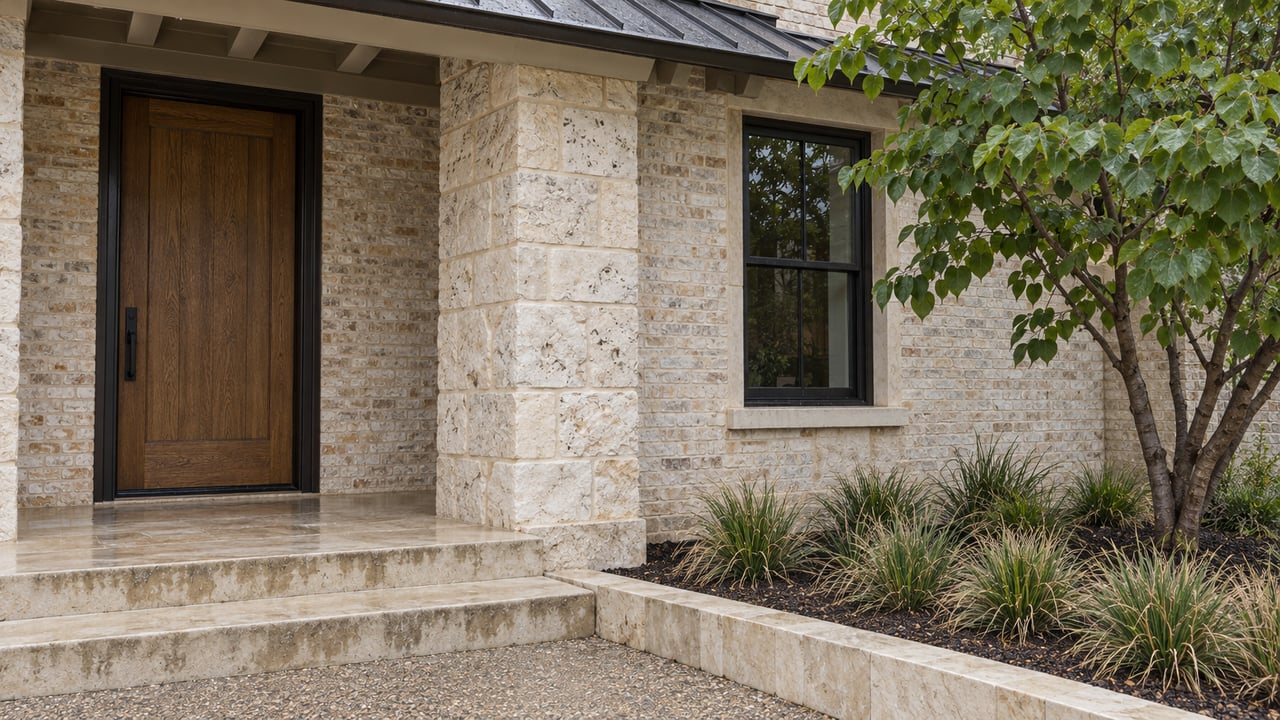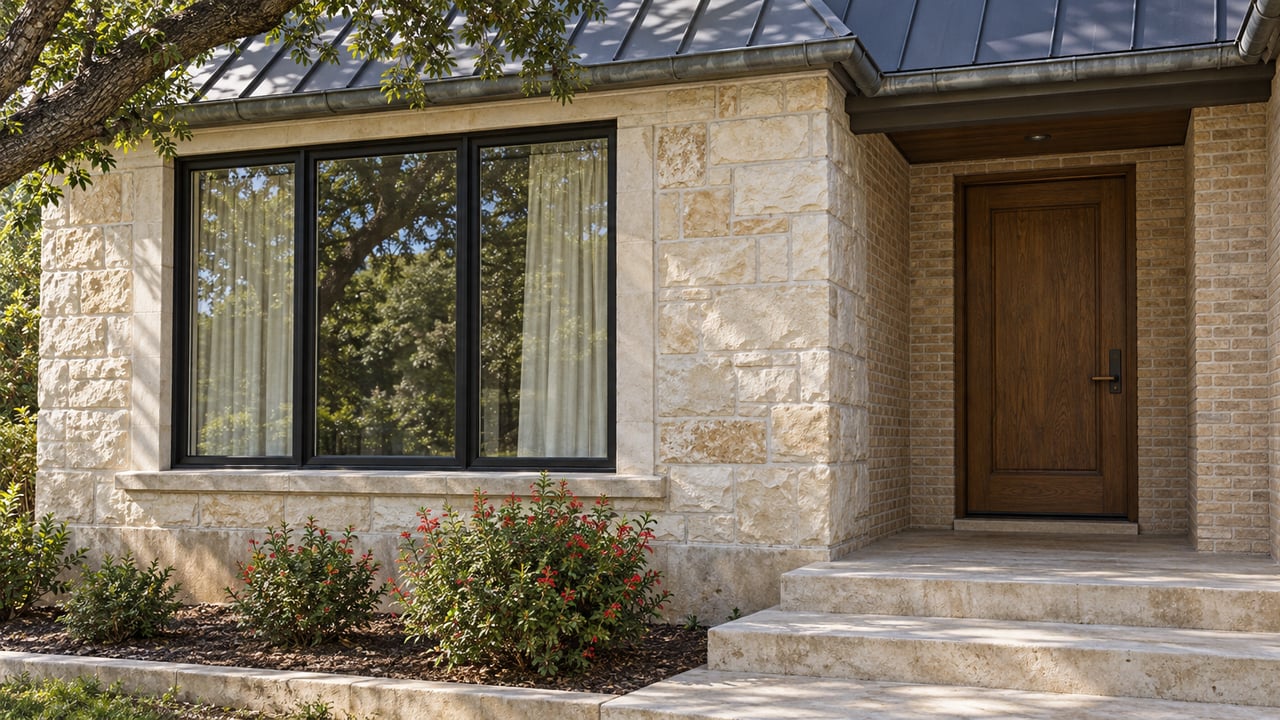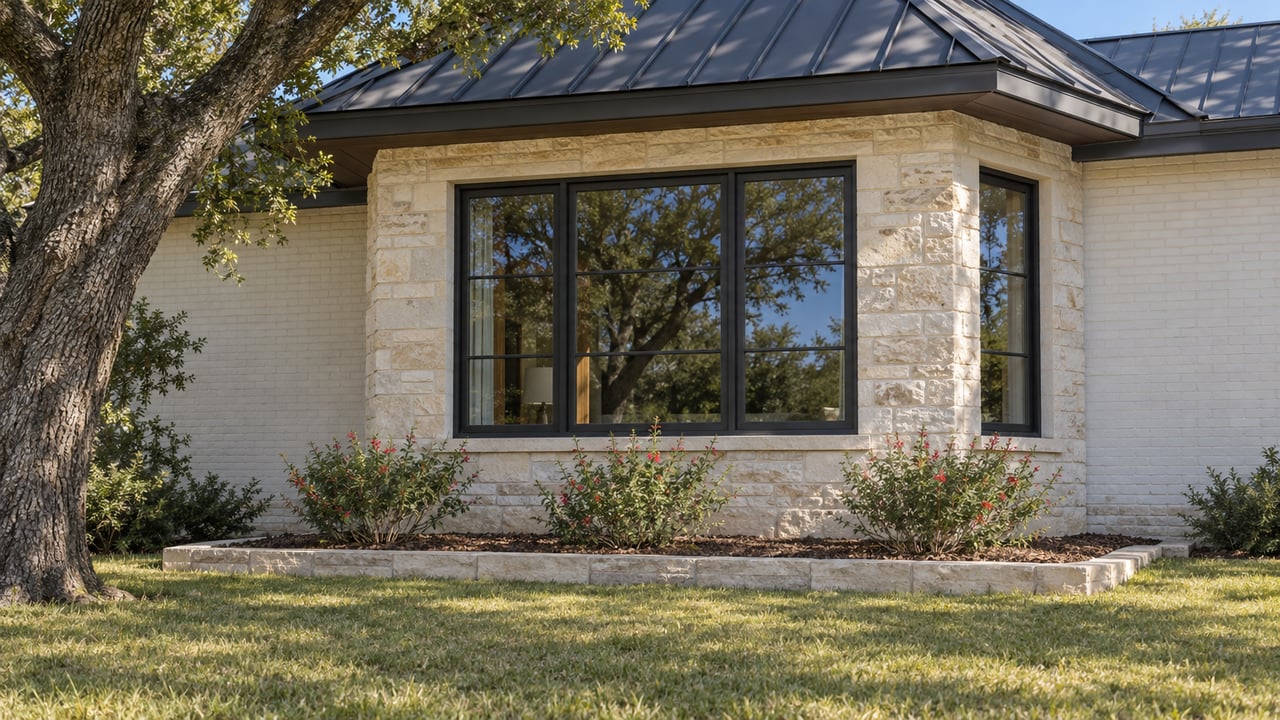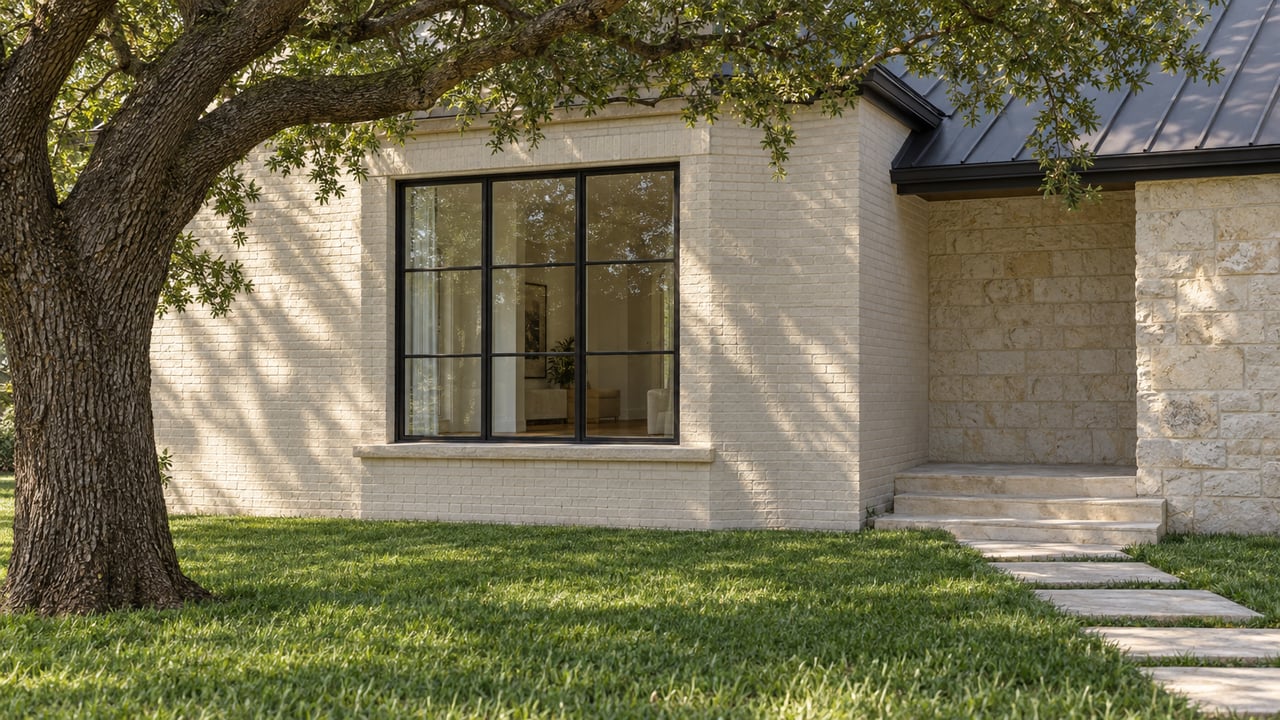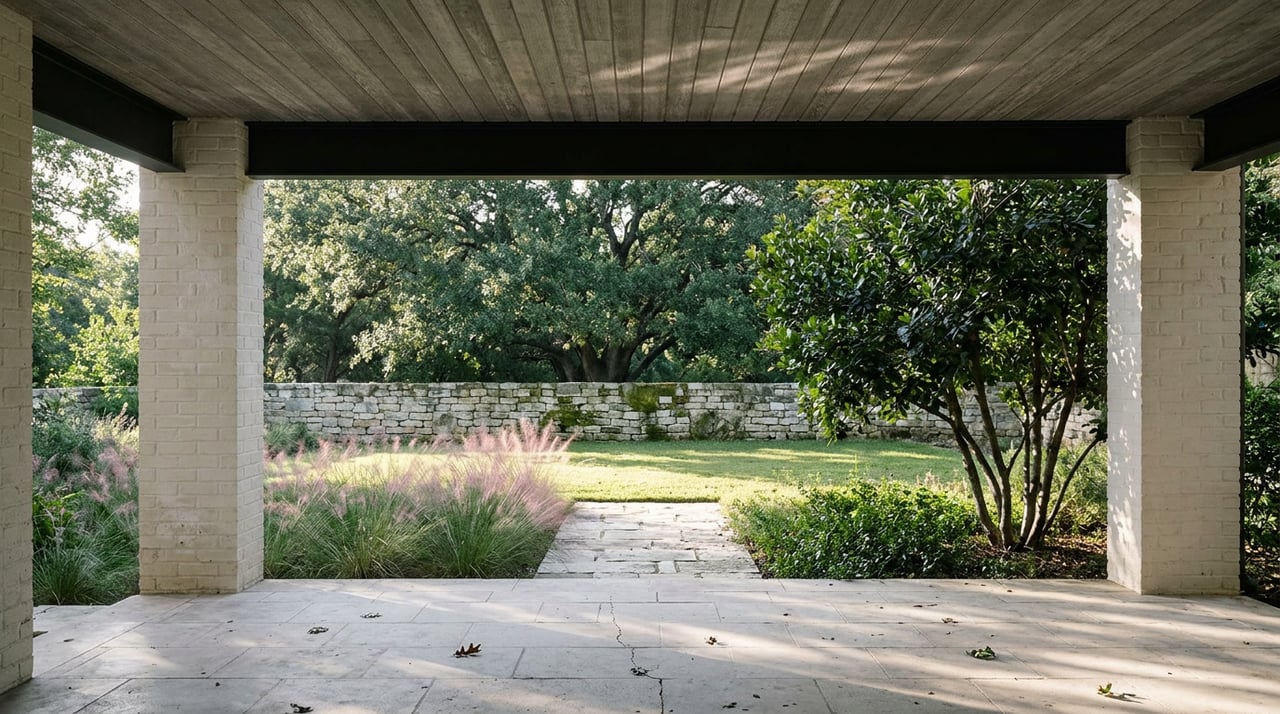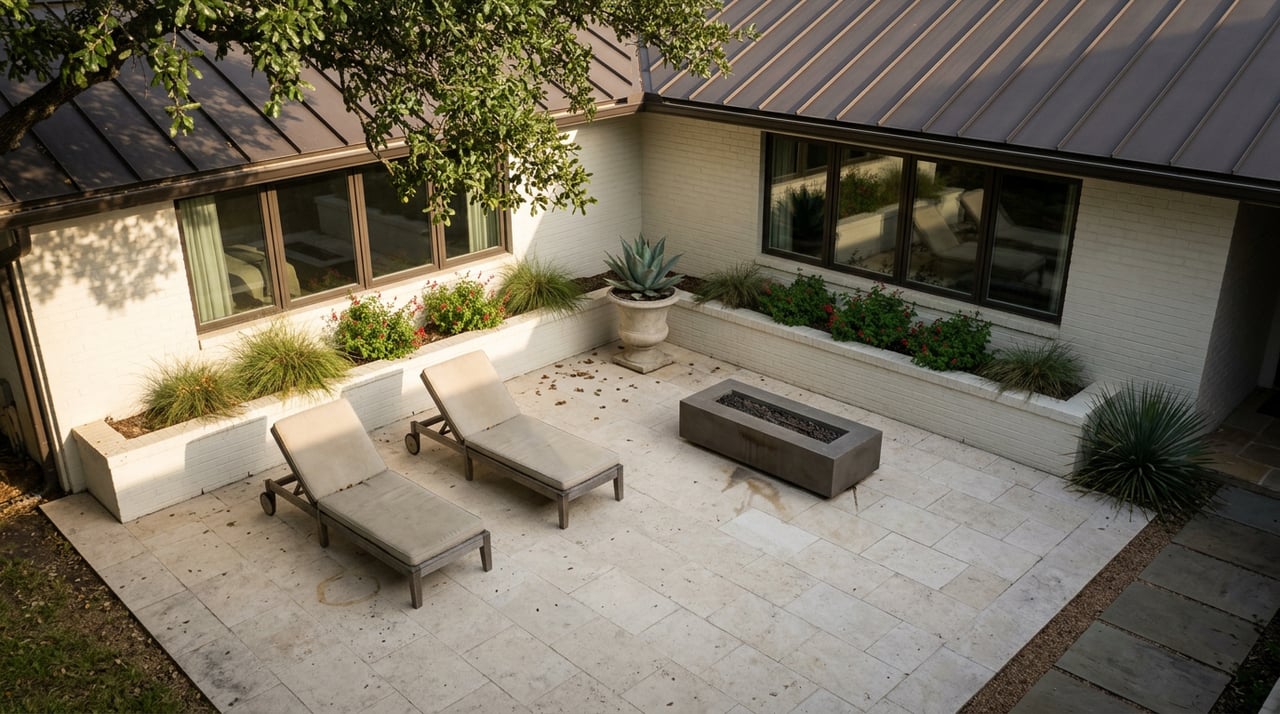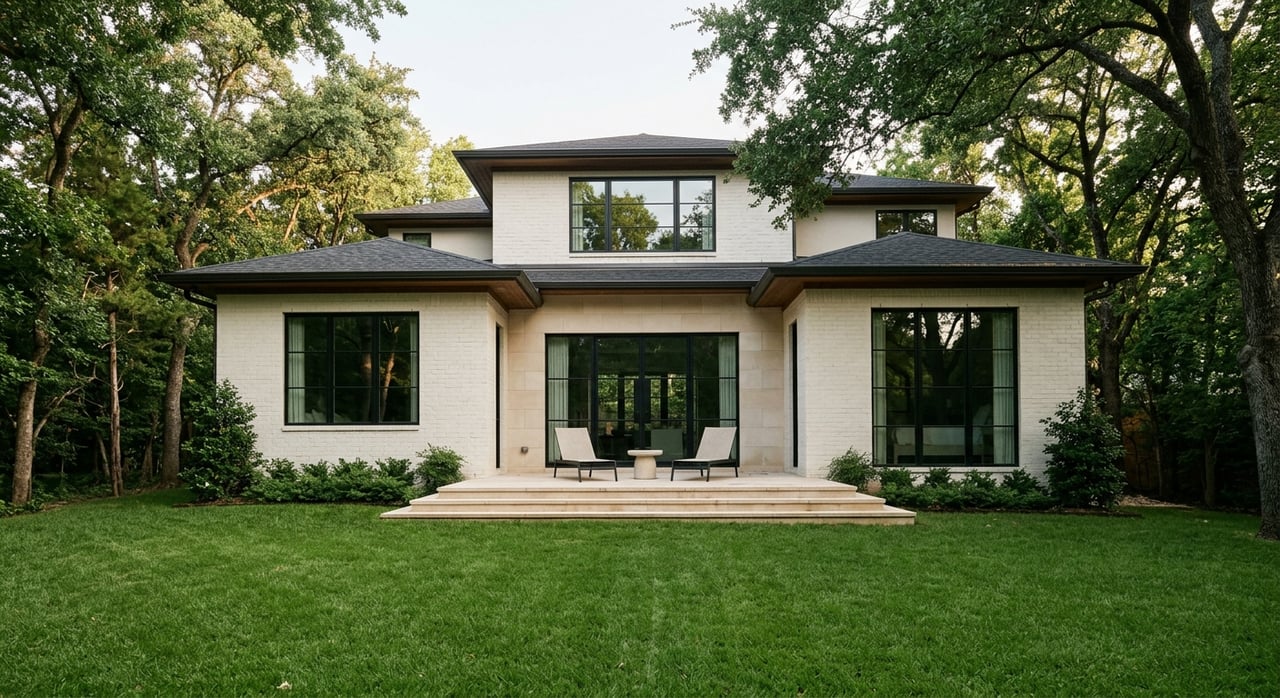
If your current home no longer fits the way you live, Rollingwood probably shows up on your radar fast. It offers a rare mix of larger lots, mature trees, and close-in access to central Austin, which is exactly why many move-up buyers take a serious look. But this is not a simple square-footage upgrade. In Rollingwood, you are often paying for land, privacy, and location as much as the house itself. Let’s dive in.
What makes Rollingwood different
Rollingwood is a small incorporated city on the west side of Lady Bird Lake, between Austin and West Lake Hills. The city describes itself as a close-knit community of just over 1,500 residents, and its planning documents emphasize a walkable, tree-filled setting with single-family homes and access to nearby shops and restaurants.
Location is a big part of the appeal. Rollingwood sits about four miles southwest of downtown Austin and near both MoPac and Bee Caves Road. For many buyers, that creates a very specific kind of move-up opportunity: you can gain space and privacy without moving far from the urban core.
Why move-up buyers consider Rollingwood
For the right buyer, Rollingwood solves a common Austin problem. You may want more room to spread out, more separation from neighbors, and a quieter residential feel, but you may not want a long suburban commute or a complete lifestyle reset.
That is where Rollingwood stands out. The neighborhood identity is shaped by low density, larger lots, mature landscaping, and a strong tree canopy. If your goal is to upgrade your day-to-day living experience while staying close to central Austin amenities, that can be a compelling trade.
More land often matters more
In Rollingwood, the move-up story is often less about buying the biggest house and more about buying a better homesite. Current listings referenced in the research include lots from about 0.51 acres to 1.1 acres, with others around 0.63 acres and some marketed for privacy, rebuild potential, or downtown views.
That means your upgrade may look different here than it would in other neighborhoods. Instead of chasing maximum interior square footage, you may be prioritizing outdoor space, tree coverage, setback separation, or room for future improvements.
The close-in location is a real draw
Rollingwood offers easier access to central Austin than many move-up areas farther out. Its proximity to Zilker Park, Bee Caves Road, and downtown helps explain why buyers often see it as a closer-in west Austin option rather than a traditional suburban trade-up.
That convenience can be valuable if you want to stay tied to the parts of Austin you already use most. Restaurants, parks, and daily errands may feel more accessible here than in neighborhoods that offer similar lot sizes farther from the center of town.
Where Rollingwood may not fit
Rollingwood is not the best answer for every move-up buyer. If your main goal is to maximize house size for the money, this market may feel frustrating.
The neighborhood sits at the very high end of the inner-west Austin market. Based on the research report, Rollingwood’s median sale price over the last three months ending May 2026 was $3.7 million, though that figure comes from a very small sample and should be treated as a thin-market snapshot rather than a broad average.
Price per lifestyle, not just price per foot
Compared with the broader Austin market and nearby high-end submarkets, Rollingwood commands a premium. The research places it above Austin citywide, West Lake Hills, Tarrytown, Barton Hills, and Zilker on median price measures cited in the report.
That does not automatically make it overpriced. It does mean you should view the purchase through a lifestyle lens. In Rollingwood, you are often buying a bundle of features that includes land, location, privacy, and neighborhood character, not just bedrooms and bathrooms.
Carrying costs can change the equation
A move-up purchase needs to work month to month, not just on paper at closing. Rollingwood’s FY2025-26 municipal tax rate is listed at $0.202039 per $100 valuation, and the city estimates about $5,014.22 in annual city tax on an average taxable homestead value of $2.48 million. Eanes ISD’s 2025-26 total tax rate is $0.8322 per $100 valuation.
Mortgage rates also still matter. Freddie Mac reported a 30-year fixed average of 6.49% on June 25, 2026. Even if you bring strong equity from your current home, higher taxes, financing costs, insurance, and maintenance can make a Rollingwood move feel very different from a straightforward upgrade.
Lot rules matter more here
One of the biggest mistakes a buyer can make in Rollingwood is assuming a large lot automatically means total flexibility. In practice, the usable and buildable space on a property can be shaped by city rules, existing improvements, and tree protections.
If you are thinking about an addition, pool, guest space, or major remodel, this part of the decision deserves close attention.
Setbacks shape the buildable envelope
Rollingwood requires 30-foot front setbacks, 20-foot rear setbacks, and 10-foot side setbacks, along with a 25-foot combined side-yard total. Corner lots can face larger street-facing setbacks.
Those requirements can affect what you can realistically build now or later. A lot may look generous on paper but still have meaningful limits once setbacks are applied.
Accessory building rules are limited
The city allows one accessory building on a residential lot, capped at 500 square feet. That is important if your wishlist includes a detached office, guest area, studio, or pool house.
Short-term rentals are also not permitted. For most move-up buyers focused on a primary residence, that may not be a major issue, but it is still worth knowing before you buy.
Trees are part of the value
Rollingwood’s Residential Tree Canopy Management Ordinance requires permits for removal of protected trees on qualifying residential lots and generally requires replacement planting. Replacement rules are stricter in setback areas.
This matters for more than curb appeal. Mature trees influence privacy, shade, and the overall feel of the property, but they can also affect renovation planning, landscaping changes, and project costs.
Schools and address verification
For buyers who care about school assignment, exact address verification is essential. Eanes ISD states that campus zoning is determined by street address and directs families to its boundary tools and verification resources.
The district serves about 7,700 students at 9 schools, and Westlake High School is its only high school with a primarily college-preparatory curriculum. The key takeaway is simple: do not assume school assignment from the Rollingwood name alone. Confirm it by property address before you move forward.
Commute and daily life tradeoffs
Rollingwood’s location near MoPac and Bee Caves Road is a major strength for access to central Austin. If you want to stay connected to downtown, nearby parks, and established retail corridors, that convenience can be hard to replicate.
At the same time, the same corridors that help with access also bring traffic concerns. City planning materials note congestion as a recurring issue for residents, so it is smart to think about commute timing and daily driving patterns, not just map distance.
Amenities stay close to home
The city highlights its proximity to Zilker Park, its walkable feel, and a growing commercial district. Bee Caves Road serves as the main retail corridor, and city planning documents reflect resident interest in shops and restaurants while preserving the area’s low-density character.
For many buyers, that balance is a big part of the appeal. You can be close to conveniences without giving up the quieter feel that larger lots and tree cover tend to create.
How to decide if Rollingwood is right for you
The best move-up neighborhoods are not always the ones with the biggest homes. They are the ones that fit the way you want to live over the next several years.
Rollingwood may be the right move if you want:
- More privacy and separation from neighbors
- A larger lot with mature trees
- Close-in access to central Austin
- A single-family setting with a lower-density feel
- Long-term value in land, location, and neighborhood character
Rollingwood may be less compelling if you want:
- Maximum square footage for your budget
- Fewer lot-use constraints
- Lower carrying costs
- A more predictable market with more inventory choices
Smart due diligence before you offer
Because inventory is thin and price points are high, good diligence matters here. A strong decision usually comes from getting specific early, not making assumptions based on the neighborhood’s reputation.
Before making an offer, focus on these items:
- Confirm school zoning by exact property address through Eanes ISD tools
- Review setbacks and the true buildable envelope
- Ask how tree protections may affect future plans
- Evaluate whether the lot supports a pool, addition, or detached structure
- Run the full monthly cost, including taxes, insurance, and financing
- Compare the lifestyle gain against what you would give up elsewhere
The bottom line on Rollingwood
Rollingwood can be an excellent move-up neighborhood if your priorities are privacy, land, mature trees, and a close-in west Austin location. It is especially appealing when you want a meaningful lifestyle upgrade without moving far from central Austin.
It is less about stretching for the biggest possible house and more about choosing a property that supports how you want to live. If you approach it with clear expectations around cost, lot rules, and long-term fit, Rollingwood can make a lot of sense. If you want help weighing that tradeoff in a calm, strategic way, Matt Richard can help you evaluate whether Rollingwood is the right next move.
FAQs
Is Rollingwood a good move-up neighborhood near central Austin?
- Rollingwood can be a strong move-up option if you want larger lots, more privacy, mature trees, and close-in access to downtown and central Austin amenities.
Is Rollingwood more expensive than nearby Austin neighborhoods?
- Based on the research report, Rollingwood sits at the very high end of the inner-west Austin market, with a recent median sale price snapshot above Austin, West Lake Hills, Tarrytown, Barton Hills, and Zilker.
Do Rollingwood lot rules affect remodels and additions?
- Yes. Setbacks, accessory-building limits, and tree-canopy rules can all affect what you can build or change on a property.
Do Rollingwood homes always go to the same Eanes ISD schools?
- No. Eanes ISD says campus zoning is determined by street address, so you should verify school assignment for any specific property you are considering.
Is Rollingwood a good fit if I want the most house for my budget?
- Usually not. Rollingwood tends to make more sense for buyers prioritizing land, privacy, and location over maximum interior square footage per dollar.