If you’re relocating to Austin and want a neighborhood that feels established, close-in, and distinctly residential, Tarrytown is likely already on your shortlist. It draws buyers who want quick access to downtown and the University of Texas without giving up tree-lined streets, nearby parks, and a quieter daily feel. In this guide, you’ll get a practical look at what Tarrytown is like, what kinds of homes you’ll find, and which details matter most before you buy. Let’s dive in.
Why Tarrytown Stands Out
Tarrytown is commonly associated with Austin’s 78703 ZIP code and sits in central-west Austin, generally west of downtown and UT, between Lake Austin and MoPac. The area is often described with Lake Austin Boulevard and 35th Street as rough south and north edges, but Austin does not use one official definitive neighborhood map. That makes address-level verification important when details like school assignment or flood risk are part of your decision.
Part of Tarrytown’s appeal is its balance of location and feel. The neighborhood plan describes a mix of grid streets and winding cul-de-sacs, with Exposition as the main north-south route and Windsor and Enfield as major east-west roads. That street pattern, along with the lack of alleys, helps support the quiet, residential atmosphere many relocating buyers are looking for.
Tarrytown Location and Access
For many buyers moving from out of town, Tarrytown’s location is one of its strongest advantages. It sits close to downtown Austin and the University of Texas, which can make work, campus access, and central-city errands more manageable. Exact drive times vary by route and time of day, but the geography is a major reason this area stays in demand.
Getting around is not limited to driving. CapMetro’s Pickup Exposition serves Tarrytown on weekdays from 7 a.m. to 7 p.m., and the broader CapMetro system includes bus service, Rail Route 550, and Bikeshare options. If you want a close-in neighborhood with multiple ways to move around the city, that flexibility can be a real plus.
What Homes in Tarrytown Look Like
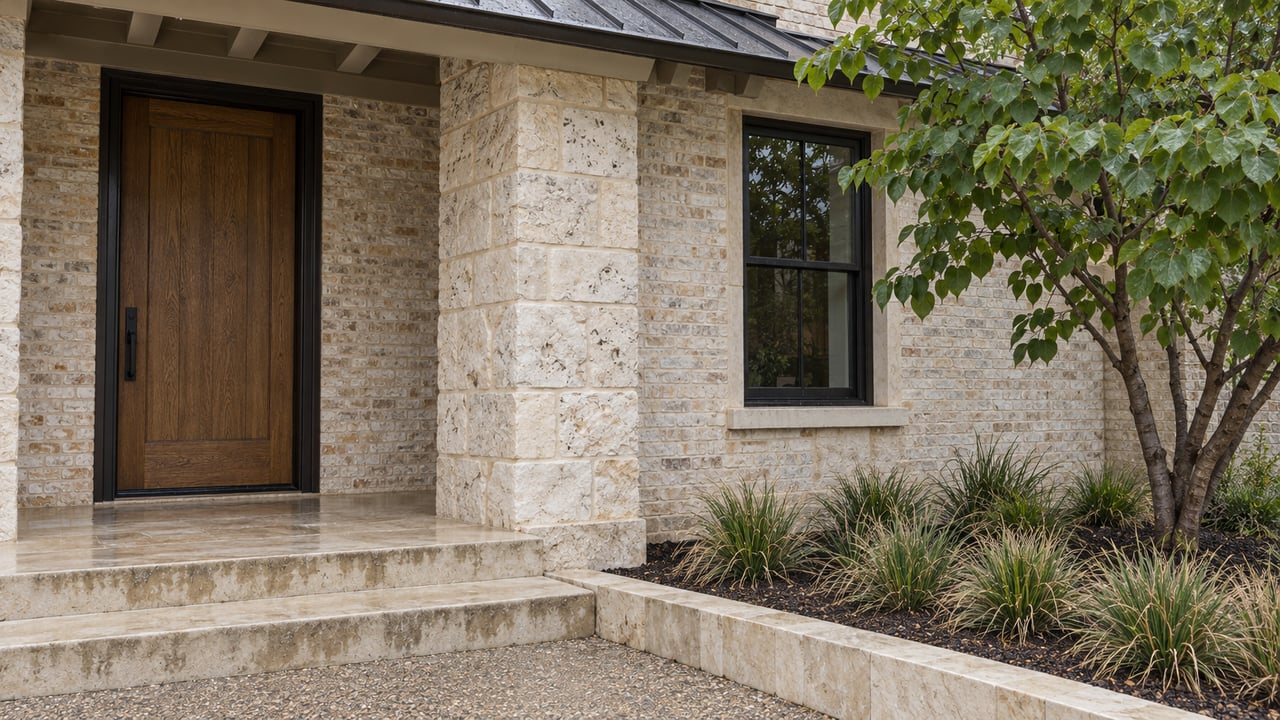
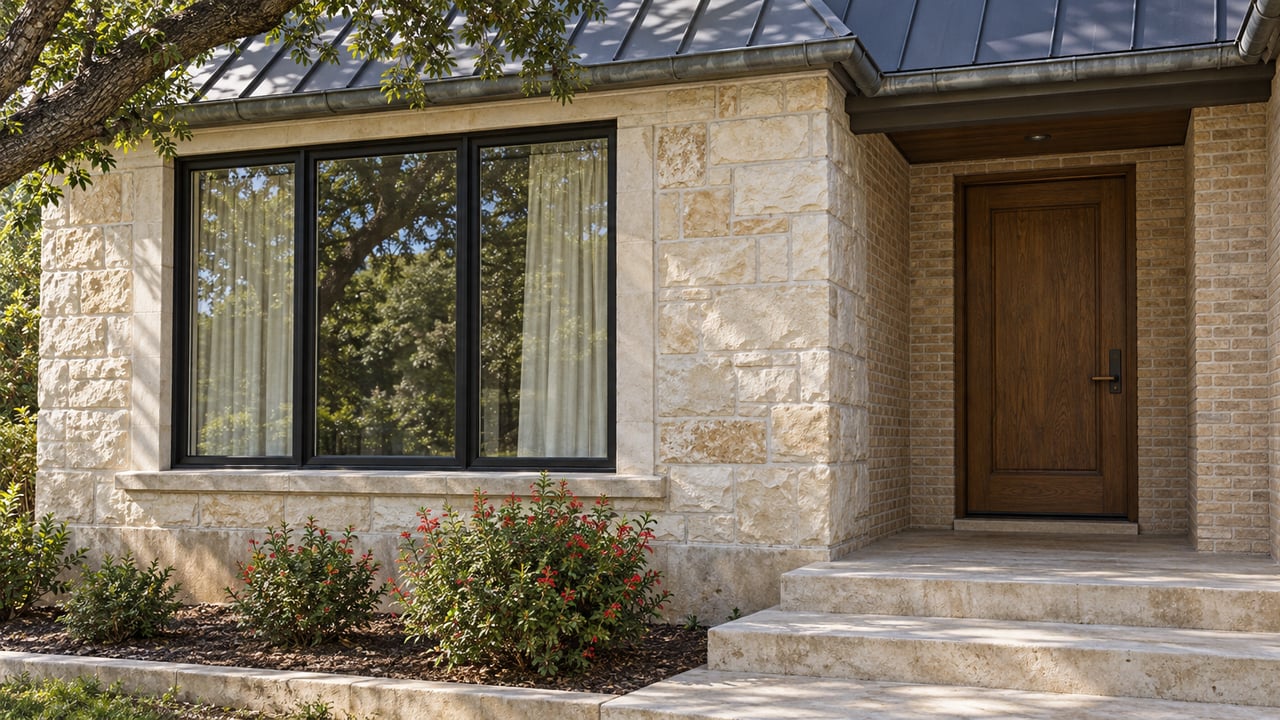
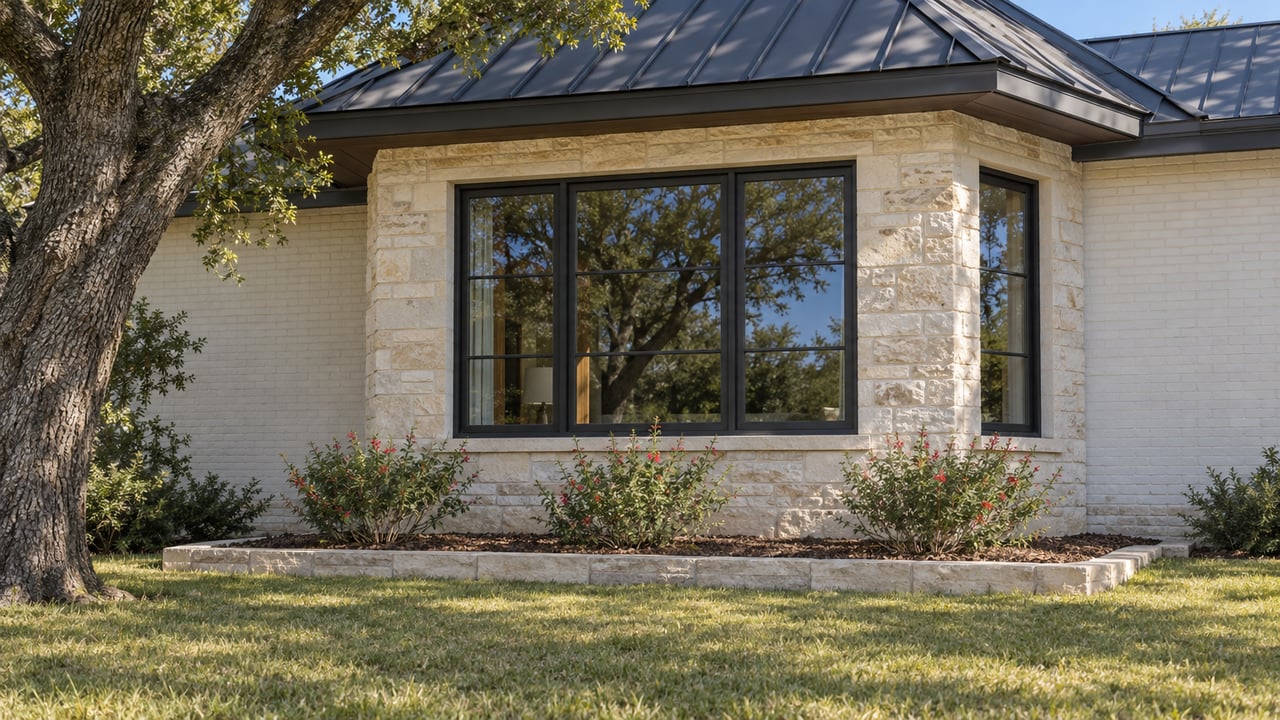
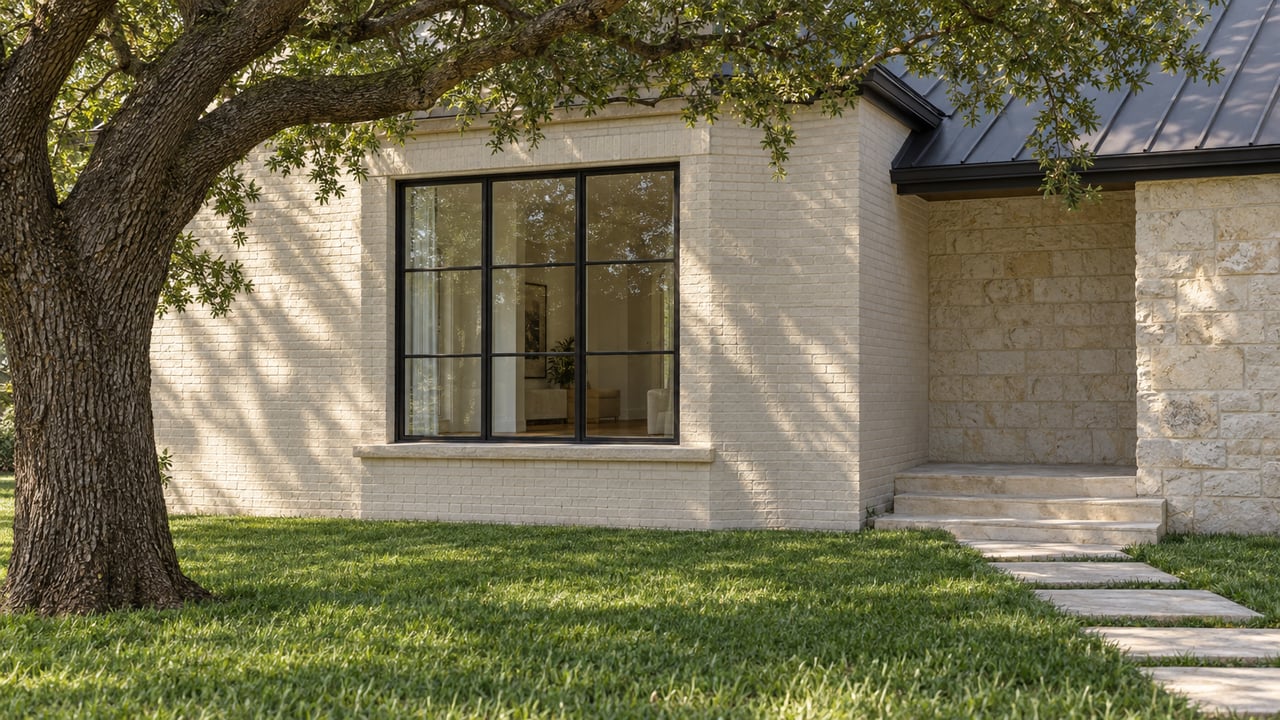
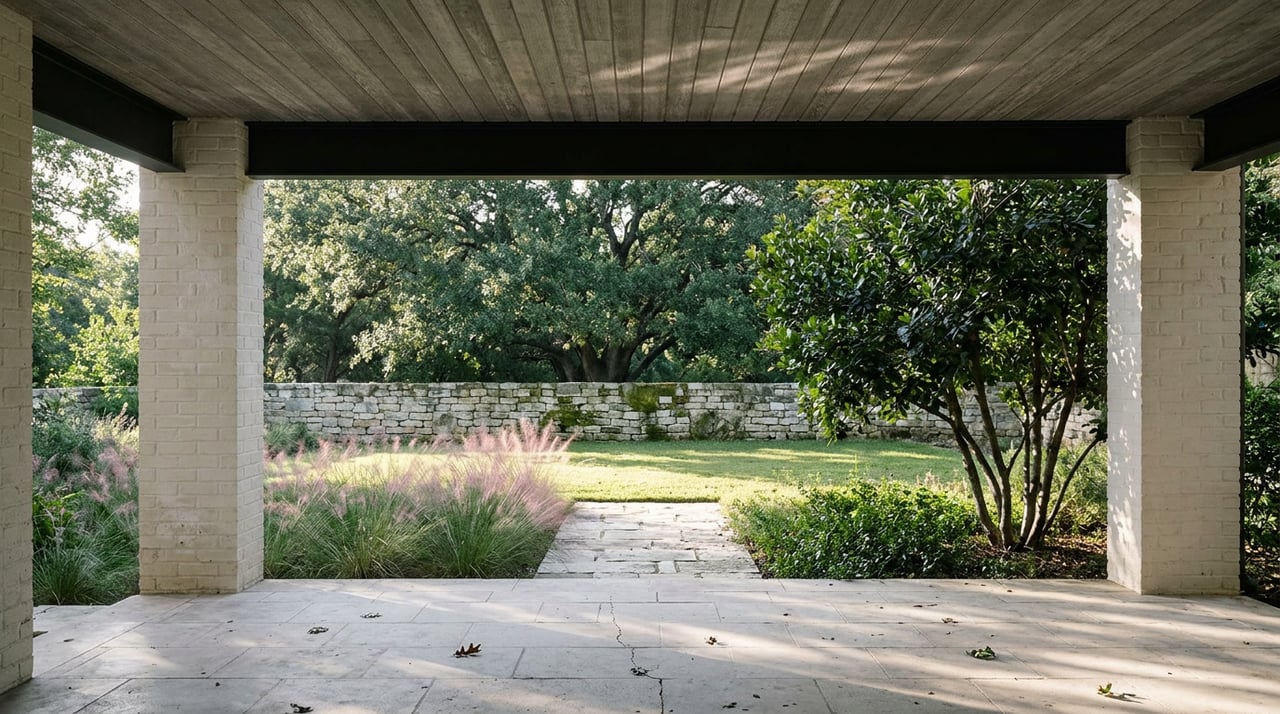
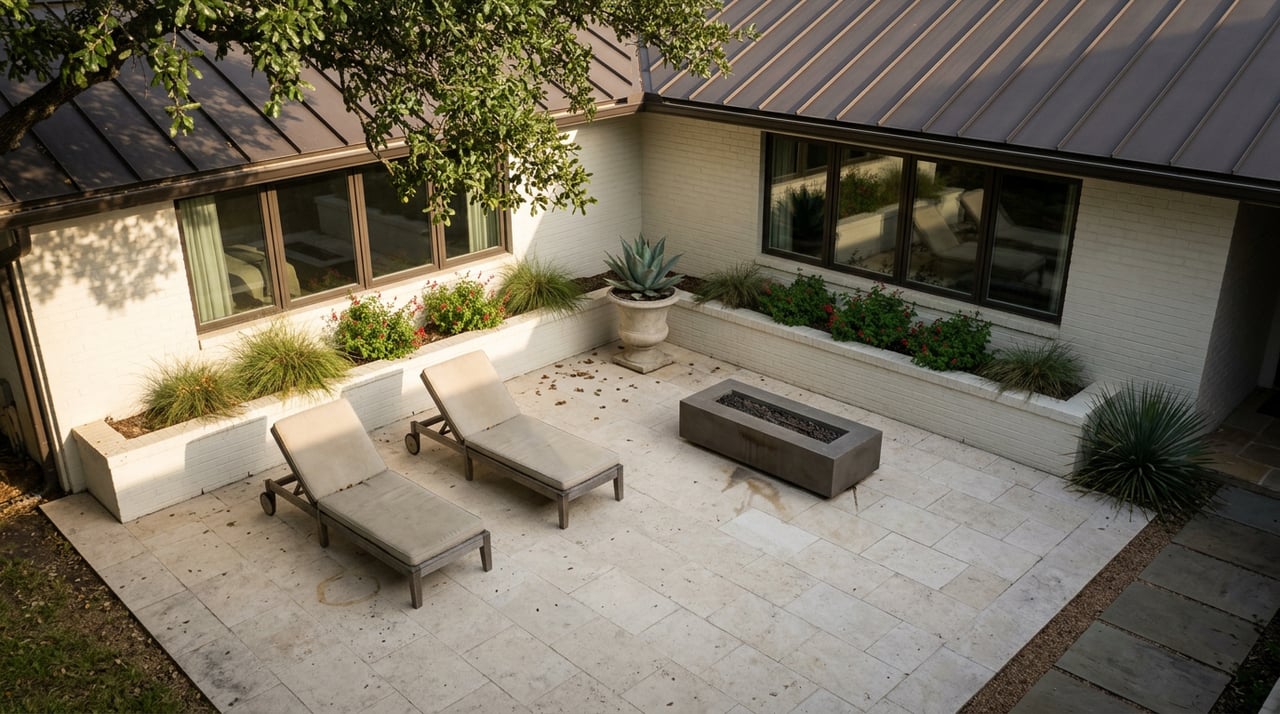
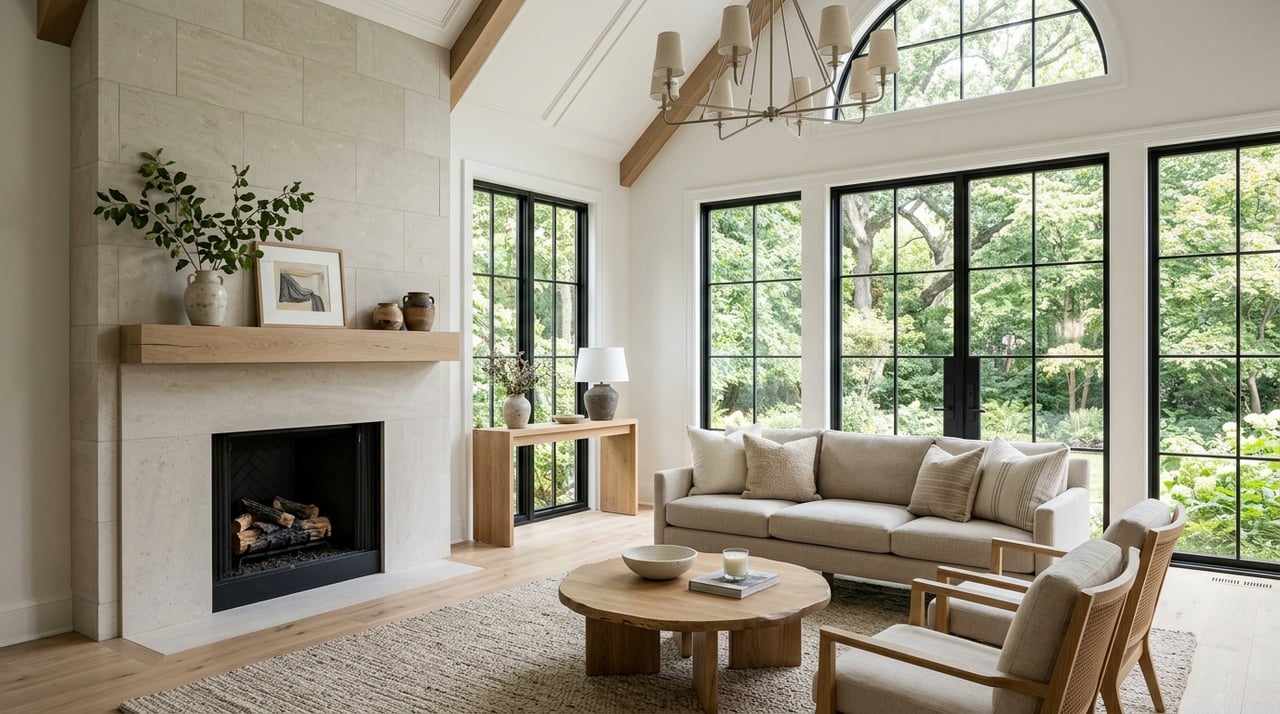
Tarrytown is not a one-style neighborhood, and that variety is part of the draw. The area includes historic older homes, larger estates, charming bungalows, and many homes that fall somewhere in between. For a relocating buyer, that means your options may range from preserved character homes to newer custom construction or heavily updated properties.
The neighborhood has also seen redevelopment over time. According to the Central West Austin plan, some smaller older homes have been replaced with larger homes. As you tour the area, you may notice blocks where original homes sit alongside newer builds or major remodels, which can create a different feel from one street to the next.
What Redevelopment Means for Buyers
If you’re considering a home with renovation potential, Tarrytown deserves a closer look beyond surface-level charm. Austin zoning rules can affect building height, setbacks, and impervious cover, and the City Arborist program regulates protected and heritage trees on private property. On older lots especially, those details can shape what you can realistically add, remove, or rebuild.
This matters whether you are buying a home to update over time or deciding between an original house and a newer one. A lot that looks spacious may still come with meaningful design limitations. In a neighborhood like Tarrytown, it helps to evaluate not just the home as it stands today, but also what the site allows in the future.
Daily Life in Tarrytown
One of Tarrytown’s biggest strengths is how much outdoor and everyday recreation sits nearby. Mayfield Park & Preserve offers 23 acres with gardens and peacocks, while Deep Eddy Pool holds the distinction of being the oldest swimming pool in Texas. The Ann and Roy Butler Hike-and-Bike Trail at Lady Bird Lake is also close by and remains one of Austin’s most used outdoor amenities.
Within and around the neighborhood, you also have Tarrytown Neighborhood Park, Reed Park, and Laguna Gloria in the broader mix of local attractions. Howson Branch on Exposition provides a library anchor, and Lions Municipal Golf Course is another nearby option many buyers notice when exploring the area. Together, these amenities help explain why Tarrytown often appeals to buyers who want a lifestyle-driven location, not just a central address.
Everyday Conveniences Nearby
Tarrytown feels primarily residential, but it is not isolated. The neighborhood plan places local retail and civic activity around Exposition and Windsor Road, with a smaller node near Exposition and Westover. That pattern helps preserve the neighborhood’s quieter character while still giving residents nearby places for day-to-day needs.
For families and households looking for activity options close to home, WAYA is another notable resource in the area. Located on Exposition, it offers youth sports and preschool programs. For relocating buyers trying to picture real daily life, that kind of nearby programming can make the neighborhood feel easier to settle into.
Schools and Education Options
If schools are part of your move, Tarrytown is a neighborhood where address-specific homework matters. Austin ISD states that attendance areas determine school assignment, and families should confirm the home school for any property through the district’s School Finder. While Tarrytown is often discussed as following a Casis Elementary to O. Henry Middle to Austin High path, assignment should always be verified by exact address.
AISD lists Casis as a PK-5 campus, O. Henry as grades 6-8, and Austin High as grades 9-12. Casis is a modernized campus and offers Spanish, while Austin High is the oldest continuously operating public high school in Texas. Those details may be useful context, but the key takeaway is simple: verify each specific property rather than relying on neighborhood assumptions.
Beyond AISD, nearby private and specialty schools add more options to the broader picture. The Girls’ School of Austin serves K-8 students in 78703, and Rawson Saunders has its main campus on Exposition with a focus on dyslexia education. For relocating households comparing central Austin neighborhoods, those nearby options can be part of the decision-making process.
Water Access and Outdoor Use
Tarrytown’s proximity to the water is a major lifestyle draw, but it comes with a few practical realities. Buyers are often attracted to nearby access for walking, paddling, or spending time outdoors near the shoreline. That said, it’s important to check current rules and conditions rather than assuming every nearby water area is open for every activity year-round.
For example, swimming in Lady Bird Lake is illegal except for rescue. The City of Austin is also monitoring blue-green algae at Red Bud Isle and Walsh Boat Landing. If lake access is high on your list, current advisories should be part of your due diligence.
Due Diligence for Tarrytown Buyers
Relocating buyers often fall in love with Tarrytown quickly, which is understandable. Still, this is a neighborhood where a few property-specific questions can make a big difference in your long-term satisfaction. A smart buying process here usually means looking beyond curb appeal and focusing on the details tied to the exact address.
Here are a few of the most important things to verify:
- School assignment: Confirm the assigned AISD schools by property address.
- Flood sensitivity: Review whether the home sits in or near a flood-sensitive area.
- Remodel or rebuild limits: Check zoning, setbacks, impervious cover, and tree impacts.
- Water-use conditions: Look at current city advisories if shoreline or lake access matters to you.
The City of Austin notes that about 10% of the city is in the floodplain, and local flooding work identifies parts of Tarrytown along Exposition Boulevard, Warren Street, Carlton Road, Mountain Laurel Lane, and Hillview Road. That does not mean every property in those areas has the same level of risk, but it does mean buyers should investigate carefully when comparing homes.
Is Tarrytown Right for Your Move?
Tarrytown tends to work well for buyers who want a central Austin location with an established, residential feel. It offers a mix of older homes and newer redevelopment, strong access to parks and outdoor amenities, and a position that keeps downtown and UT relatively close. For many relocating buyers, that combination is hard to replicate.
It is also a neighborhood where nuance matters. Street-by-street differences, school zoning, flood considerations, and renovation constraints can all shape whether one home is a great fit and another is not. If you’re moving from out of town, having local guidance can make it much easier to sort through those tradeoffs with confidence.
If you’re considering a move to Tarrytown or comparing it with other central Austin neighborhoods, Matt Richard can help you narrow your options, evaluate tradeoffs, and move forward with clear, calm guidance.
FAQs
What is Tarrytown’s location in Austin?
- Tarrytown is commonly associated with central-west Austin, generally west of downtown and the University of Texas, between Lake Austin and MoPac, and often tied to the 78703 ZIP code.
What kinds of homes are in Tarrytown?
- Tarrytown includes historic older homes, estates, bungalows, remodeled properties, and some newer custom homes created through teardown or redevelopment activity.
How do school assignments work for Tarrytown homes?
- Austin ISD says school assignment is determined by attendance area and should be verified by exact property address using the district’s School Finder.
What parks and recreation are near Tarrytown?
- Nearby options include Mayfield Park & Preserve, Deep Eddy Pool, the Ann and Roy Butler Hike-and-Bike Trail, Tarrytown Neighborhood Park, Reed Park, and Laguna Gloria.
What should relocating buyers check before buying in Tarrytown?
- Key items include school zoning, flood sensitivity, zoning and tree-related building limits, and current city advisories for nearby lake or shoreline use.