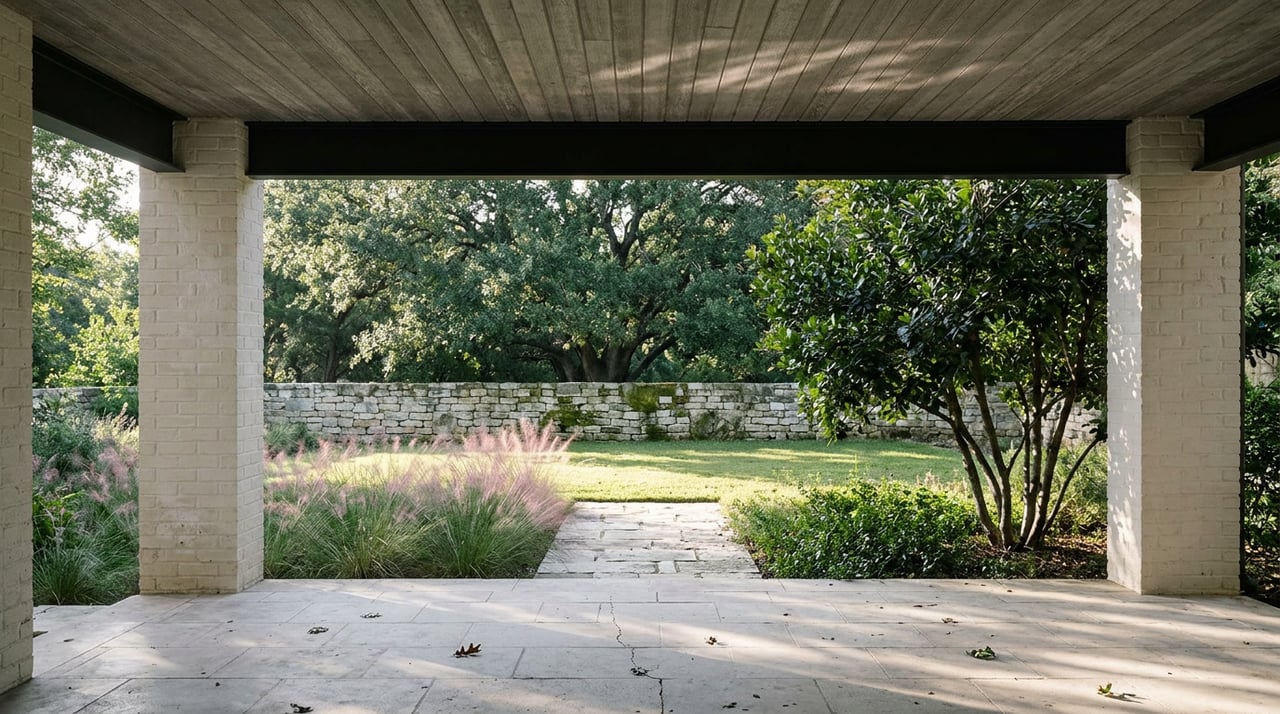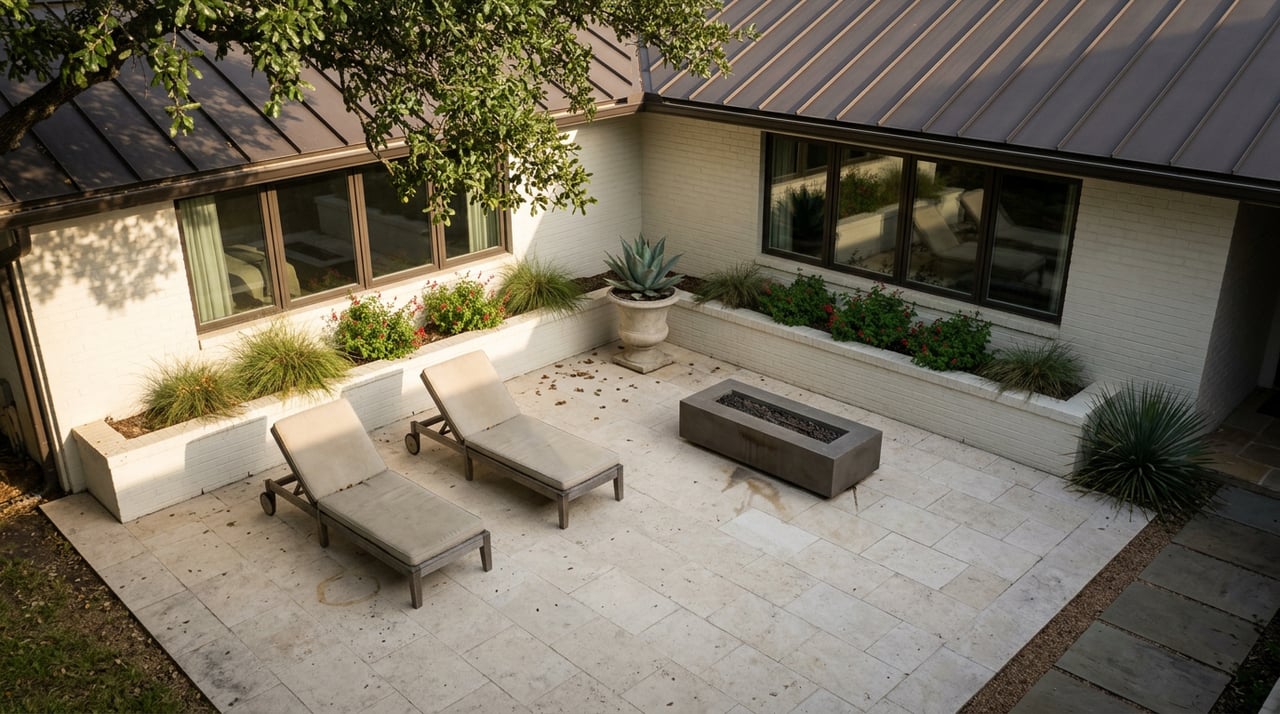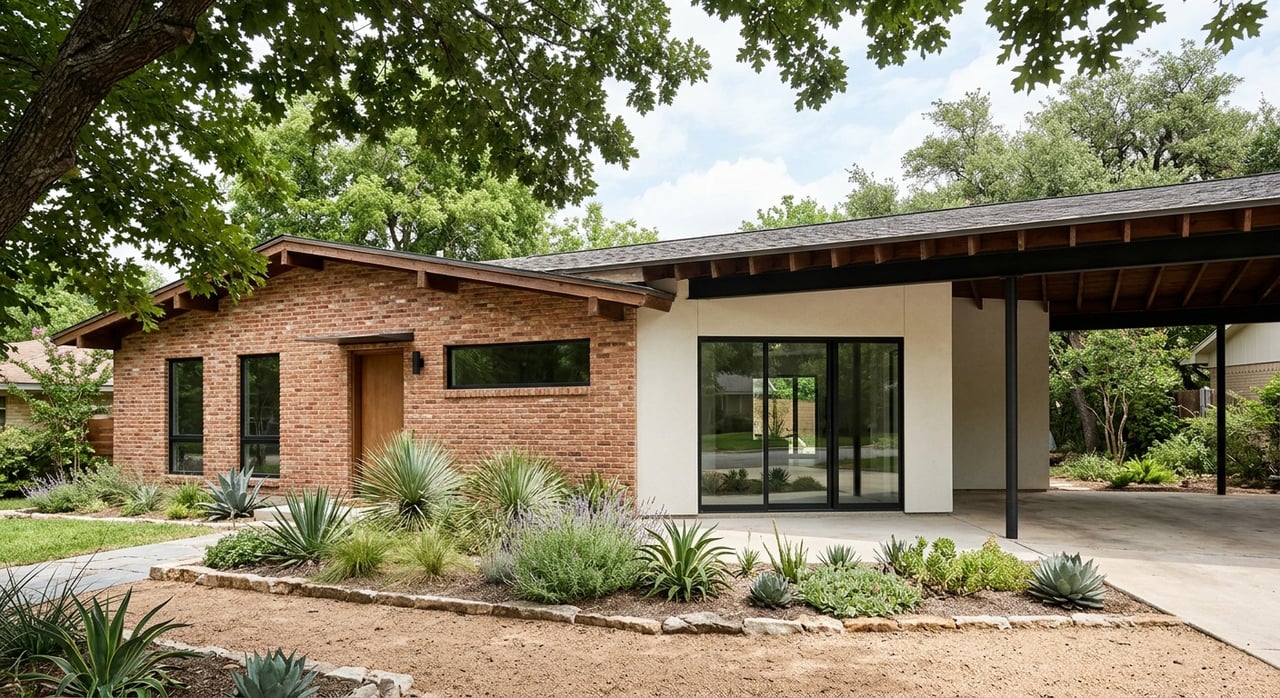
If you are thinking about buying in Barton Hills, it is easy to see the appeal fast. You get a close-in South Austin location, strong access to outdoor space, and a housing mix that can look very different from one street to the next. That also means buying here takes more than falling in love with a listing photo, and this guide will help you understand what to look for before you make a move. Let’s dive in.
Why Barton Hills Stands Out
Barton Hills is a small residential community in South Austin along Barton Creek. The neighborhood association describes it as a mature, cohesive postwar subdivision that was platted in six sections in 1956, with 1,585 lots planned across 535 acres.
That history still shows up in the feel of the area today. You will find a neighborhood with established streets, older homes, and a strong identity shaped by land use, traffic, environmental concerns, and neighborhood improvements.
For many buyers, the bigger draw is not just the homes themselves. Barton Hills sits close to major public open space, and that outdoor access is a meaningful part of daily life here.
Outdoor Access Shapes Daily Life
One of the biggest reasons buyers look at Barton Hills is proximity to Zilker Metropolitan Park and the Barton Creek Greenbelt. Zilker is Austin’s oldest metropolitan park and spans more than 350 acres, while the Greenbelt offers more than 12 miles of trails.
In practical terms, that means your neighborhood value is tied to how much you want to be near trails, creek access, and open space. For some buyers, that is a bonus. For others, it is a core reason to choose Barton Hills over another part of Austin.
The Greenbelt access points especially matter if you plan to use them often. The City of Austin lists both the Barton Hills School Park/Homedale Dr trailhead and the Gus Fruh/Barton Hills Dr trailhead as access points that serve this area.
That said, it helps to understand the tradeoffs too. The city notes that the Greenbelt is rugged, has limited lighting, and conditions can change quickly with weather and water levels, so convenience comes with some real-world limitations.
Housing Types Vary More Than You Might Expect
One of the most important things to know before buying in Barton Hills is that it is not a one-note housing market. You are not looking at a neighborhood where every home follows the same age, size, or condition pattern.
Property records show a mix of older homes, renovated homes, and newer infill. Examples include homes built in the mid-1960s, a 1973 home renovated in 2020, and even a home built in 2022 on a similarly sized lot.
That variety creates opportunity, but it also makes pricing more nuanced. Two homes that look close on a map may have very different value depending on renovation level, layout, lot utility, and overall finish quality.
Lot Size and Renovation Potential Matter
Barton Hills includes a range of lot sizes, from standard neighborhood lots to larger parcels approaching half an acre. That can make a major difference in how a property lives today and what flexibility it may offer over time.
For example, recent property records include homes on an 8,908-square-foot lot, a 0.273-acre lot, a 0.2838-acre lot, and a 0.47-acre lot. If you are comparing homes, lot shape and usable outdoor space can matter just as much as interior square footage.
This is especially true in a neighborhood where some buyers want a move-in-ready home, while others are open to updating or rebuilding over time. In Barton Hills, renovation potential is often part of the value conversation.
Street-by-Street Differences Are Real
In Barton Hills, micro-location matters. A home on a quiet cul-de-sac can feel very different from one on a more traveled street, even if the price point and square footage look similar at first glance.
Recent sales have included homes on internal streets and cul-de-sacs like Homedale Cir, Bend Cove, Cliffside Dr, Deerfoot Trl, and Spyglass Dr, as well as homes directly on Barton Hills Dr. That tells you something important: street exposure, traffic feel, and backyard privacy should be part of your decision from day one.
If you are buying here, it is smart to look beyond bedroom count and total square footage. Pay attention to where the home sits, how the yard functions, and how the street feels during different times of day.
Traffic Can Affect Livability
Traffic is one of the biggest practical issues to evaluate before buying in Barton Hills. The location is convenient, but convenience in this part of Austin can shift depending on the day, time, and nearby events.
The City of Austin says the Barton Springs Road Bridge at the Zilker entrance was built in 1925, widened in 1946, and reduced to one westbound lane in August 2023. The city is now moving toward replacement, with construction projected to begin in summer 2027.
That is not a small detail if you expect to drive through the area regularly. It can affect your route planning, travel times, and your day-to-day experience getting in and out of the neighborhood.
The city also operates the seasonal Zilker Loop on weekends and holidays to reduce congestion. On top of that, recurring festival-related street closures can affect Barton Springs Road, Stratford Drive, Azie Morton Drive, and nearby streets.
Test the Neighborhood Before You Buy
Because traffic patterns can change so much here, one of the smartest things you can do is test the area in person more than once. A calm weekday morning can give you a very different impression than a weekend afternoon or an event day.
If possible, drive your likely routes before making an offer. Check how long it takes to reach South Lamar, downtown, or the places you visit most often.
This kind of prep can help you avoid surprises after closing. In Barton Hills, lifestyle fit is not just about the house. It is also about how the neighborhood works for your routine.
Pricing Data Needs Context
If you start researching Barton Hills online, you may notice that market data can seem inconsistent. That does not always mean the data is wrong. It usually means you are looking at different snapshots or different types of inventory.
Redfin’s market page reported a median sale price of $1.68 million over the last three months as of April 2026, with a median price per square foot of $441, 28 homes sold, median days on market of 176, and a 93.4% sale-to-list ratio. It also noted that homes averaged about 6% below list price and that multiple offers were rare.
At the same time, Realtor.com’s April 2026 neighborhood snapshot showed 56 active listings, a median listing price of $1.52 million, a median price of $590 per square foot, and median days on market of 82. Those numbers can look contradictory until you remember that active listings and closed sales are not the same thing.
Compare Like With Like
The best way to read Barton Hills pricing is to compare similar properties instead of relying on one headline number. Detached homes, condos, renovated homes, and new construction do not belong in the same simple comparison bucket.
Recent sold examples show just how wide the range can be. Sales included condo units in the mid-$300,000s to $700,000s, along with detached homes from about $1.25 million to nearly $4 million.
Examples include a 1,048-square-foot condo at $354,900, a 1,528-square-foot condo at $495,000, a 1,631-square-foot condo at $735,000, a 2,450-square-foot house on a 0.38-acre cul-de-sac lot at $1.25 million, and a 4,626-square-foot home near the greenbelt on a 0.29-acre corner lot at $2.9 million.
That spread is why average neighborhood numbers only tell part of the story. In Barton Hills, you should comp by property type, lot size, renovation level, street position, and whether the home is attached or detached.
What Buyers Should Focus On
If you want to make a smart purchase in Barton Hills, try to evaluate each property through a few practical filters. This can help you separate a great fit from a home that only looks good on paper.
Focus on:
- Street placement and how much traffic exposure the home gets
- Lot usability including backyard layout, slope, and privacy
- Home age and update level so you understand likely near-term work
- Property type because attached and detached homes can perform very differently in pricing
- Access patterns for your daily routes, especially during weekends and event periods
- Outdoor priorities if proximity to trails and parks is part of why you want Barton Hills
These details often matter more than the broad neighborhood median. A thoughtful comparison can help you avoid overpaying for the wrong version of Barton Hills.
Why Guidance Matters in Barton Hills
Barton Hills is one of those neighborhoods where local context can make a big difference. On the surface, two homes may look similar, but the better buy often comes down to lot position, traffic flow, renovation quality, and how the property fits your daily life.
If you are buying here for the first time, or relocating from another part of Austin or out of town, it helps to have a calm, informed strategy. A neighborhood with strong lifestyle appeal can still reward careful analysis.
The goal is not just to win a house. It is to buy the right home, on the right street, at the right price for how you actually want to live.
If you are considering Barton Hills and want a clear, local perspective on how to compare homes, pricing, and block-by-block tradeoffs, Matt Richard can help you navigate the process with straightforward guidance and strong South Austin insight.
FAQs
What should you know about Barton Hills home styles before buying?
- Barton Hills includes a mix of older mid-century homes, renovated properties, newer infill, condos, and detached homes, so each listing should be evaluated on its own merits rather than by neighborhood averages alone.
What should you know about Barton Hills traffic before buying?
- Traffic can vary significantly based on bridge lane changes, weekends, holidays, and festival-related street closures near Zilker, so it is smart to test your likely routes at different times before making an offer.
What should you know about Barton Hills outdoor access before buying?
- Barton Hills offers strong access to Zilker Metropolitan Park and the Barton Creek Greenbelt, including nearby trailheads, but Greenbelt conditions can be rugged and change quickly with weather and water levels.
What should you know about Barton Hills pricing before buying?
- Pricing can look inconsistent if you compare active listings with closed sales or mix condos with detached homes, so the best approach is to compare similar property types, lot sizes, and renovation levels.
What should you know about Barton Hills lot differences before buying?
- Lot size, yard usability, street exposure, and privacy can vary widely within the neighborhood, and those factors often have a major impact on both livability and value.